Author Archives: feministactivist

About feministactivist

Unknown's avatar
Many words describe me but none more so than activist. I am dedicated to equality of all people and have a special focus on gender issues including reproductive justice, sexual violence, and strategic nonviolent action.

Day 21- Violence Against Women in the US

Whether it comes in the form of emotional, financial, physical, or sexual abuse, a significant portion of women in the United States face violence everyday. Violence, and the fight against it, may be the one unifying factor women across all sectors have in common other than their sex. Race, class, age, sexuality, gender identity, and ability all affect the type of violence women experience but none of these factors protect women from violence.

“Violence in the name of power, conquest, dominance, and submission are the cornerstones of”[1] the hierarchy of patriarchy in the U.S. Perhaps the most disturbing fact about violence against women in the United States is that most women are hurt by someone known to them, and the most dangerous place for women is a private home.

Luckily, help is available for victims of violence. “On September 15, 2009, 1,648 out of 1,980, or 83%, of identified local domestic violence programs in the United States and territories participated in the 2009 National Census of Domestic Violence Services,” conducted annually by the National Network to End Domestic Violence (NNEDV).[2]

This survey[3] found that 65,321 victims, (41,097 adults and 24,224 children) were served and 9,280 needs were unmet due to lack of resources and/or funding in one day. On that day four women were killed by their intimate partners and seven children were killed by their fathers.
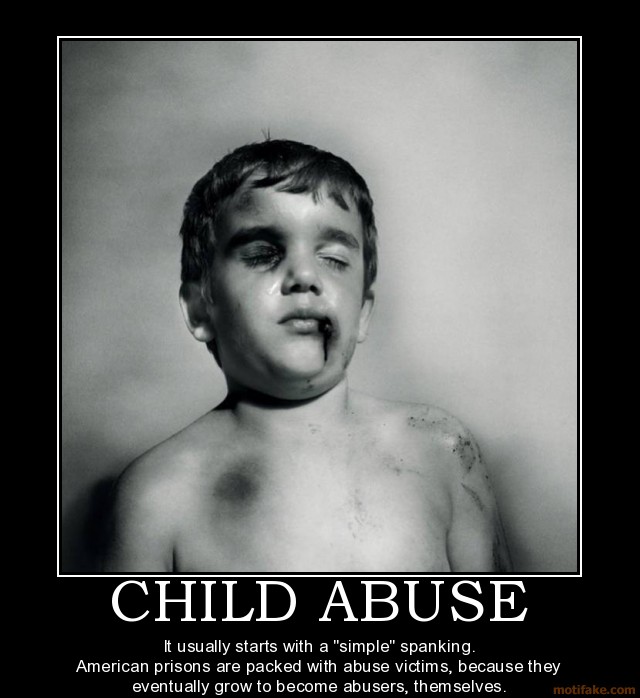
Although the survey did not take into account how many men or women were served or what age group victims generally fell in–confidentiality issues can take precedence over sex- and age-disaggregated data–one in nine men and one in four women will be victims of domestic violence at some point in their lives.[4] Sixty per cent of unmet requests “were from victims seeking emergency shelter or transitional housing.” Insufficient funding for needed programs and services was cited by 40 percent of program respondents as a reason they were unable to provide services while “limited funding for translators, bilingual staff, or accessible equipment,” was cited by 11 percent of programs. In Texas alone, with 87% of shelters reporting, 2,988 adults and 2,443 children were served while 784 requests for services were unmet.[5]

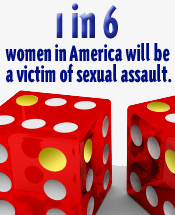
Figures for the most underreported violent crimes–sexual assault and rape–are equally disturbing. The Rape, Abuse & Incest National Network (RAINN) estimates that one of every six women in the United States will be a victim of sexual assault in her lifetime.[6] Sixty percent of these crimes are not reported to the police. Domestic violence is also underreported.

“Language barriers, distrust of authorities, and fears of the legal system can deter reporting. Many immigrant women are reluctant to report domestic violence to authorities out of fear that they would be deported. Non-English speakers, migrant workers, or victims with disabilities may face specific obstacles in reporting….

“Traditional expectations in some cultures that demand silent subservience of women make it harder for battered women to report the abuse and deprive those women of community support. In traditional Navajo culture, for example, ‘peacemakers’ who informally adjudicate claims of battering may try to restore harmony by encouraging women to remain in abusive relationships.

“Lesbians and gay men may be reluctant to report intimate violence to avoid disclosing their sexual orientation, or they may fear police hostility. If gay men or lesbians use physical force to defend themselves from their battering partners, police may assume that two men wrestling is a ‘fair fight’ or think that two women struggling is a catfight or quarrel. If lesbians who are battered by their partner seek refuge at a shelter, their partners, who are also women, can gain access to them.”[7]

The result of underreporting and a judicial system entrenched in patriarchy is that on average three women are killed every day by an intimate partner[8] and only about six percent of rapists ever spend a day in jail.[9]
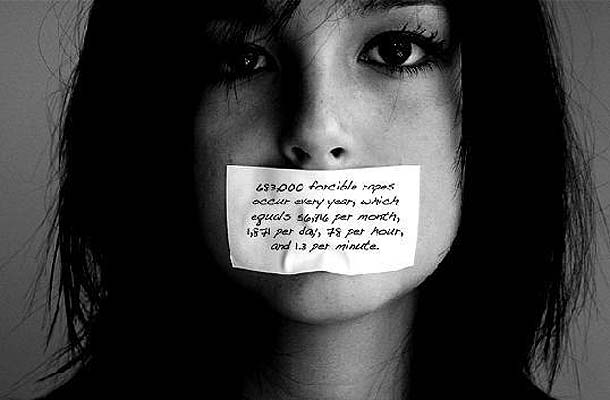
“Women are still being criticized for what they were wearing at the time of the rape and where they were when it occurred, and questioned why they were there in the first place–all of which would be unthinkable if the crime was, say, a mugging. As law professor Taunya Lovell Banks says, ‘No one ever questions if a person consents to other types of assault. Nonsexual victims don’t have to say “I didn’t consent to be hit with that crowbar.”‘”[10]
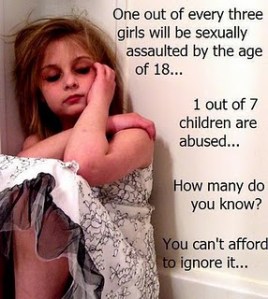
In 2008 the Federal Bureau of Investigation reports that 89,000 “forcible rapes” took place[11] while only 22,584 arrests were made for “forcible rape.”[12] The Center for Disease Control found that in 2007 sexual assault was the leading cause of nonfatal violence-related injuries for females age one to nine years old, while for all other age groups of females, including those younger than one year old, “other assault, struck by/against” was the leading cause of injury. Much of the physical violence in the report can be attributed to domestic violence and child abuse.

Sexual assault was the second most frequent cause of nonfatal violence-related injury for females under one year of age and those aged 10-14. It was also the number three ranking cause of injury overall and for women ages 15-34.[13] Citing the U.S. Department of Justice and the National Institute of Justice & Centers for Disease Control and Prevention, RAINN found that 90 percent of rape victims are female, and while white people make up 80 percent of all sexual assault victims, minorities are more likely to be attacked.

The lifetime rate of rape or attempted rate is highest for Native American women, at 34.1 percent. In America 24.4 percent of mixed raced women, 18.8 percent of black women, 17.7 percent of white women and six-point-eight percent of Asian women will be victims of sexual assault. Also, 80 percent of sexual assault and rape victims are under age 30 while a staggering 15 percent of sexual assault and rape victims are under age 12, and girls 16-19 are four “times more likely than the general population to be victims of rape, attempted rape or sexual assault.”[14]

Violence and abuse towards children is rampant in the U.S. but is even more common towards disabled people and is compounded by other identity factors. “‘Special ed’ classrooms have been, and still are in some school districts, a dumping ground for poor kids, kids of color, particularly those who don’t speak English, and kids with a variety of disabilities, all of whom learn more slowly or differently than kids in ‘regular’ classrooms.”
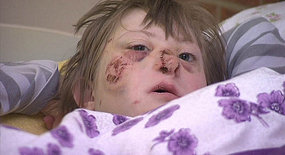
Thus, while most children, like most adult victims of sexual assault or familial violence, keep quiet, disabled children and adults are even more likely not to report abuse. Abuse has become institutionalized as “women still are being abused in some mental hospitals. In some cases, other patients and hospital staff have abused the women, and no one believes them because they are labeled mentally ill.”[15] One woman explains why disabled people are chosen as targets of abuse:

“There are the ones who are chosen because they cannot speak of the horror. There are the ones who are chosen because they cannot run away, and there is nowhere to run. There are the ones who are chosen because their very lives depend on not fighting back. There are the ones who are chosen because there is no one for them to tell. There are the ones who are chosen because no one has even taught them the words. There are the ones who are chosen because society chooses to believe that, after all, they don’t really have any sexuality, so it can’t hurt them.”[16]

Disabled people, especially those with mental illness or developmental disabilities, are often seen as being unaware of their surroundings and therefore treated as subhuman, creating an environment in which abuse against them is more normalized. One author found that “abuse is the rule, rather than the exception, in the experience of disabled people.”[17]

Forced sterilization and sadistic medical experiments still take place on individuals with developmental disabilities.[18] Other groups that have battled for their right to bodily integrity and against forced sterilization include Native American and Latina women and women in the prison system, especially drug addicts. Native American boarding schools, the prison system, and retirement homes are also infamous for their high rates of institutionalized violence. Elder abuse is one more example of violence that often goes unreported due to fear and unpunished due to lack of concern.

Fortunately, numerous avenues have opened up to fight sexual and domestic violence in the past 40 years, largely thanks to the women’s movement of the 1970s. From recognition of the existence of marital rape to the passage of the Violence Against Women Act (VAWA) in 1994, 2000, and 2005, women who are victims of violence now have more recourse to seek justice. There are also a considerable number of programs aimed at raising awareness of and preventing violence against women.

In addition to RAINN and NNEDV, Take Back the Night,[19] The Vagina Monologues/V-Day Movement,[20] The National Domestic Violence Hotline,[21] The National Sexual Assault Hotline,[22] and INCITE! Women of Color Against Violence[23]–co-founded by Cherokee activist Andrea Smith, are all non-governmental organizations whose work fights to prevent violence and help those who have suffered recover.

The United States government has also joined in the fight; in addition to VAWA, the federal government also operates the Office on Violence Against Women under the Department of Justice,[24] and includes resources for victims of violence through the Office of Women’s Health under the Department of Health & Human Services.[25]

Also, every state and U.S. territory has at least one organization dedicated to victims of violence, most of which provide shelter services in emergencies. Alaska, Idaho, Kansas, Michigan, Missouri, Montana, Nebraska, North Dakota, Oklahoma, Oregon, South Carolina, Tennessee, Vermont, the Virgin Islands, Virginia, and Wyoming all have one statewide organization that addresses the needs of victims of sexual and domestic violence. All other states and Washington, D.C., Puerto Rico, and Guam have at least one organization to address domestic violence and one to address sexual assault and rape.[26][27]

Many large cities throughout the U.S. also have local shelters and organizations to deal with high rates of violence. The presence of so many organizations working to prevent violence against women has helped; the annual number of reported rapes, sexual assaults, incidents of domestic violence, and intimate partner homicide have all fallen in the past 20 years, but, there is still much work to be done before patriarchy stops using violence to try to control women.


[1] Rowland, Debran. 2004. The Boundaries of Her Body: The Troubling History of Women’s Rights in America. Sphinx Publishing: Naperville, IL.g

[2] National Network to End Domestic Violence. 2009. “Domestic Violence Counts 2009: A 24-Hour Census of Domestic Violence Shelters and Services.” NNEDV: Washington, D.C.

Click to access DVCounts09_Report_BW.pdf

[3] See the full 2009 report in Appendix 4.

[4] The National Domestic Violence Hotline. “Get Educated.” 12 June 2010. http://www.ndvh.org/get-educated/abuse-in-america/

[5] National Network to End Domestic Violence, 2009.

[6] Rape, Abuse & Incest National Network. 2009. “Who are the Victims?” 12 June 2010. http://www.rainn.org/get-information/statistics/sexual-assault-victims

[7] Levit, Nancy and Robert R. M. Verchick. 2006. Feminist Legal Theory. New York University Press: New York.

[8] The National Organization for Women. 2009. “Violence Against Women in the United States: Statistics.” 7 August 2010. http://www.now.org/issues/violence/stats.html

[9] Rape, Abuse & Incest National Network. 2009. “Reporting Rates.” 12 June 2010 http://www.rainn.org/get-information/statistics/reporting-rates

[10] Dusky, Lorraine. 1996. Still Unequal: The Shameful Truth About Women and Justice in America. Crown Publishers, Inc.: New York.

[11] Federal Bureau of Investigation. 2009. “Table 7: Offense Analysis United States, 2004-2008.” 12 June 2010 http://www.fbi.gov/ucr/cius2008/data/table_07.html

[12] Federal Bureau of Investigation. 2009 “Table 29: Estimated Number of Arrests United States, 2008.” 12 June 2010. http://www.fbi.gov/ucr/cius2008/data/table_29.html

[13] Office of Statistics and Programming, National Center for Injury Prevention and Control. 2010. “10 Leading Causes of Nonfatal Violence-Related Injury, United States: 2007, All Races, Females, Disposition: All Cases.” Center for Disease Control. 25 July 2010 http://www.cdc.gov/ncipc/wisqars/nonfatal/quickpicks/quickpicks_2007/violfem.htm

[14] RAINN, 2009.

[15] Brownworth and Raffo, 1999.

[16] Keith, 1996.

[17] Keith, 1996.

[18] Pilkington, Ed. 4 January 2007. “Frozen in time: the disabled nine-year-old girl who will remain a child all her life.” The Guardian. 7 August 2010. http://www.guardian.co.uk/world/2007/jan/04/health.topstories3

[26] Ibid.

Related Articles


Day 20- RAINN & NDVH

I love acronyms. I think they’re immensely useful. Two of my favorite acronyms are RAINN and NDVH.

RAINN is the Rape, Abuse and Incest National Network, and NDVH is the National Domestic Violence Hotline, both of which are primarily US organizations. I have posted their contact information at least twice in the past week but wanted today to focus on their work and explain how they help to combat violence against women. There is also a free NDVH in the UK.

RAINN provides startling statistics as to the nature of sexual violence in the US: every 2 minutes someone in the US is sexually assaulted, 44% of victims are under age 18 and 80% are under 30, 60% of sexual assaults are not reported to the police, roughly 2/3 of sexual assaults are committed by someone the victim knows, and 15 out of 16 rapists will never spend a day in jail.

For more information regarding sexual assault statistics, victims, offenders, and reporting, go to the respective links. RAINN offers information on different types of sexual assault including rape, incest, child sexual abuse, stalking and many other violent crimes. There is also advice for what to do in the aftermath of sexual assault, how to recover from sexual assault, information about the possible effects of sexual assault, and tips for computer safety.

RAINN has many high-profile supporters, including Rachel Bilson, Tori Amos, Blythe Danner, Cybill Shepherd, Law & Order:SVU’s Mariska Hargitay, and national spokesperson Christina Ricci, who lend their faces and voices to Public Service Announcements.

This organization also works to adjust public policyThese links offer information and support for various issues surrounding sexual assault such as drugs and rape, male rape, mental health, military resources, and international resources, and here is a list of resources by state. You can search for a local rape crisis center here or call the National Sexual Assault Hotline toll-free at 1.800.656.HOPE (4673) for live help.

To show your commitment to ending sexual violence, get involved by contacting your representatives about public policy or volunteering, shop at one (or all!) of these many retailers or support RAINN through their numerous donation options. RAINN also offers 5 different internships in Washington D.C.

The National Domestic Violence Hotline here gives information on signs of various types of domestic violence, including emotional, physical and sexual abuse. NDVH also offers information for abusers and witnesses to abuse as to how to help end the violence. Teen dating abuse is explored here and this information specifically addresses the unique situation of immigrant women in dealing with DV. Women with hearing disabilities can find useful information here.

NDVH offers these resources and advice for safety planning. To find help in your area, such as shelters and coalitions, go here. You can contact the hotline here or by calling toll-free 1−800−799−SAFE (7233) or TTY 1−800−787−3224. También hay información sobre la violencia contra mujeres en español.


You can support the hotline and its work by volunteering, shopping here or making a donation. You are also encouraged to share your voice in hopes that others might see themselves in your story and find a way out of an abusive situation. Numerous celebrities also support NDVH and appear in their PSAs including Salma Hayek, Martina McBride and Marlee Matlin.


Day 19- Women in Black

Over the past four days we have seen various organizations that hold awareness raising events to combat violence against women. Today’s organization is different in many ways, but the overwhelming similarity it shares with its predecessors is that this group these groups are made up of women who are saying no to violence.

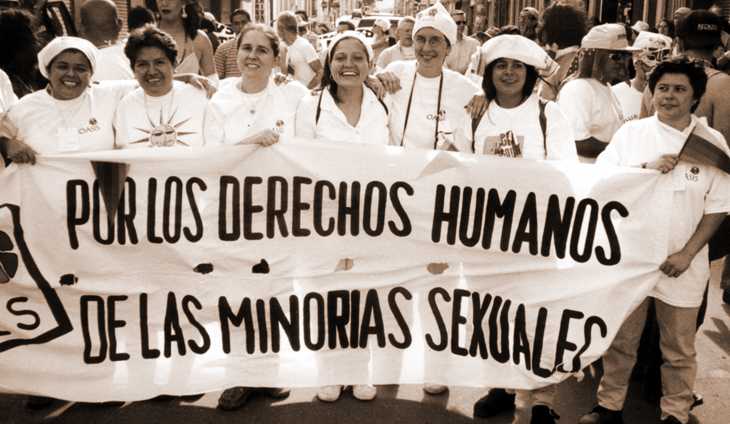
Women in Black started in 1988 in Israel as an anti-war movement. Today Women in Black (and many translations of it) are active in at least 17 countries (with possibly as many as 150 separate groups) around the world, and are estimated to include roughly 10,000 members. The WiB motto “For justice. Against war.” is the minimal guidance new groups have in launching their own protests against violence. Annually the international chapters meet at a conference; this year’s meeting will take place in Bogota, Colombia in August.

WiB classifies itself as “not an organization, but a means of communicating and a formula for action.” Women in Black “is a world-wide network of women committed to peace with justice and actively opposed to injustice, war, militarism and other forms of violence.”

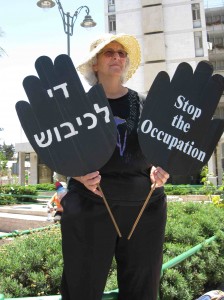
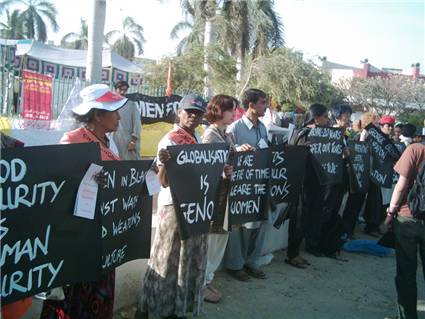
Women in Black is not a typical nonviolent organization; there is no formal structure, there is no recipe for a good protest or vigil, the only requirement is that women wearing black come together to take a stand against violence, usually on a weekly basis. Often these protests are silent, but placards are used to convey succinct messages.

Other forms of strategic nonviolent action used by Women in Black include occupying public (or forbidden governmental) space, marches or processions, vigils, masks, effigies, music, and obviously, symbolic colors. To download Gene Sharp’s list of 198 nonviolent actions YOU could be taking to speak out against violence, go here.

Seattle WiB is very active, as are the Northern California Bay Area Women in Black, Mujeres de Negro en Uruguay, Italy’s Donne in Nero and Zene u Crnom in Belgrade, and many other groups.

Other anti-war groups around the world respect and honor Women in Black and use their actions to exemplify what anti-violence should look like. One such group is Savaş Kaşıtları here in Turkey. But not everyone supports what WiB does, this video shows some of the attacks faced by anti-war, anti-violence, and anti-occupation protesters.

The main lesson to be learned from all of the participants in Women in Black is that if you are persistent, you can make yourself known, make your views heard, and make a difference.


Day 18- V-Day Movement

All over the United States, and throughout much of the world, The Vagina Monologues make people blush, laugh, cry, get angry, and feel hope on an annual basis. This mixed up rush of emotions takes place within a 90 minute performance where amateur (and sometimes professional) actresses bring to life the intimate confessions of other women’s vaginas.

But playwright Eve Ensler’s The Vagina Monologues is no longer simply a theatrical production, the VMons (as many of the women who have participated in them come to call them) have transformed into the V-Day Movement, a movement that will continue “Until the Violence Stops.” 
From their website: “V-Day is a global activist movement to stop violence against women and girls. V-Day is a catalyst that promotes creative events to increase awareness, raise money and revitalize the spirit of existing anti-violence organizations. V-Day generates broader attention for the fight to stop violence against women and girls, including rape, battery, incest, female genital mutilation (FGM) and sex slavery.”
The V-Day Movement is comprised of much more than just The Vagina Monologues: at least five other annual events take place under the V-Day umbrella including two other performances, two film screenings, and a workshop, in addition to teaching events surrounding the Spotlight Campaign.

A Memory, A Monologue, A Rant and A Prayer is a performance piece that encourages men to get involved and perform monologues to help stop violence against women. “The volume features such authors and topics as: Edward Albee on S&M; Maya Angelou on women’s work; Michael Cunningham on self-mutilation; Dave Eggers on a Sudanese abduction; Edwidge Danticat on a border crossing; Carol Gilligan on a daughter witnessing her mother being hit; Susan Miller on raising a son as a single mother; Sharon Olds on a bra; Patricia Bosworth on her own physically abusive relationship; Jane Fonda on reclaiming our Mojo; and many more.”

Any One of Us: Words From Prison is another performance piece. It chronicles the experiences of women in the prison system in the United States, and explores how violence shaped women prisoners’ lives even before they broke any laws. “Together these writings reveal the deep connection between women in prison and the violence that often brings them there.”

Until the Violence Stops is a film screening that gets its name from the mission of V-Day- to continue to combat violence against women and girls until there is no more violence. This film is a documentary of the experiences of women around the world who have worked in the V-Day Movement.

What I Want My Words To Do To You is a film that documents Eve Ensler’s conversations with women inmates. “The film culminates in an emotionally charged prison performance of the women’s writing (the first edition of “Any One of Us”) by acclaimed actors Mary Alice, Glenn Close, Hazelle Goodman, Rosie Perez and Marisa Tomei. The film documents both the wrenching personal journeys undertaken by the inmates to find the words that tell their own stories, and the power of those words to move the outside world.”

Finally, V-Men is a powerpoint presentation and teaching workshop for men only. It is a safe space for men to discuss their own feelings (and sometimes their own actions) surrounding violence against women, and ways they can help end violence.

Some of these events require an admission fee, most don’t, but all of the events, whether they raise money or not, help end the silence surrounding violence against women, and help survivors heal. Ninety percent of proceeds from any events held are to be donated to a local organization that is working to stop violence against women and girls, while the other ten percent is given to the V-Day Foundation to be donated to the women of the Spotlight Campaign. This year V-Day has been focusing on the women and girls of Haiti and the unbelievable amount of physical and sexual violence they face on a regular basis. V-Day also operates a scholarship program and numerous safe houses around the world.

“Since the Campaigns’ inception in 1998, participation has grown exponentially. In 2010, over 5,400 V-Day benefit events took place in 1,800 locations, including all 50 U.S. states and 55 countries. That is 400 more communities than were reached as recently as 2009.

The proceeds generated from these events have also grown. College and community activists raise an annual average of $4 million for local groups such as domestic violence shelters and rape crises centers. Also, ten percent of each event’s proceeds are channeled back to V-Day’s Spotlight Campaign.”

Any and all information regarding the V-Day Movement is available at vday.org and I encourage you, if there is not yet a production of The Vagina Monologues planned for your town, do it yourself. You won’t be disappointed. The V-Day website is also a wonderful resource.


Day 17- Take Back the Night

In the past two days we have seen how ordinary articles of clothing can be catalysts for change, and can help break down barriers by promoting people to ask questions. Any conversation that educates someone as to the gender inequality in a given society or the dangers of gender-based violence is a good one, and Take Back the Night (also known as Reclaim the Night) has been promoting survivors of violence to break the suffocating silence since at least 1975. These events are held all over the world in recognition that women’s rights are still in jeopardy.

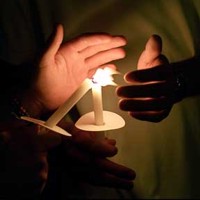
The idea behind this life-changing event is for women (and men) to gather together after dark, share their stories of violence, literally light up the night (with candles), and reclaim their right to be in public at night. You can find the history of the event here. TBTN is also a forum for survivors to realize that they are not alone in facing violence. 

As an undergrad at SDSU I had witnessed (and marched and chanted slogans in) one TBTN event before I had the courage to take the mic at the second event my sophomore year. I, oddly, have no fear whatsoever of public speaking but standing up and telling the microphone and everyone who was on the other end of it the hell I faced as a survivor of child sexual abuse and incest was terrifying. I felt exposed, like a gaping wound. I tried to fight back tears but as my mother says, sometimes tears are the necessary lubricant for painful words.

Once my story had been told and all of these people, these strangers, now knew that I was a survivor, I felt like a huge weight had been lifted off me, I felt liberated. And everyone at the event touched a caring hand to my shoulder, or hugged me through a layer of their own tears, telling me they felt the same way, and thanking me for telling their story.

Take Back the Night changed my life. It was the first time I ever identified myself as a survivor of incest; a word which still makes my stomach flip and my skin crawl. I participated in the subsequent events on campus throughout my college career but never again felt the need to speak up. Of course, I raised my voice as we marched around campus and “Our bodies, our lives, our right to decide!” has served me well in pro-choice rallies too.

The cornerstone of TBTN is local events where ordinary citizens have the courage to speak up and show that they are sick and tired of being fearful. The TBTN Foundation welcomes submissions of local events and will add them to its national calendar. Normally these rallies are held near the end of April, which is Sexual Assault Awareness Month (and Child Abuse Prevention Month). They are often held in conjunction with a number of other activities including Denim Day and the Clothesline Project.

Many groups and organizations participate in Take Back the Night, including universities, women’s groups, LGBTQAI associations, local shelters, religious organizations, and men’s groups who speak out against violence against women. If you are interested in finding a local event to participate in or volunteer for, or if you want to create an event, go here. If you need help dealing with a violence experience, here are some useful resources.


Day 16- Denim Day Movement

Yesterday we saw how The Clothesline Project uses T-shirts to raise awareness of and combat the acceptability of violence against women. Today we will explore how another ordinary article of clothing, jeans, can spread a message of hope, courage, support, and most of all, that “Yes means yes, no means no: whatever we wear, wherever we go!” 

This year Denim Day will fall on (or around) April 27. The date changes slightly each year but the Denim Day in LA website is regularly updated. Peace Over Violence, the organizers of Denim Day in LA, describe the event this way:

“It is a rape prevention education campaign, where we ask community members, elected officials, businesses and students to make a social statement with their fashion statement and on this day wear jeans as a visible means of protest against misconceptions that surround sexual assault.”

Denim Day was inspired by a rape case in Italy in which the Italian Supreme Court overturned a rape conviction because, the judge argued, the victim was wearing tight jeans, and so must have helped her attacker take them off, thus consenting to sex. To protest the ridiculous verdict women of the Italian parliament protested by wearing jeans to work. News of the protest spread to California where our legislators did the same, and when the Executive Director of Peace Over Violence heard about it, Denim Day in LA was born. That was in 1999 and Denim Day has taken place across the globe since then.

The outrage that followed this case continues today as many states in the US do not have laws about rape that contain the word “consent” but rather identify rape solely by penetration. My biggest complaint with rape laws in the US (other than their complete lack of enforceability) is that the justice system currently does not consider a man forcing a woman to continue having sex to be rape. That is, once a woman consents to an act of sex, she then has no power to terminate it. It’s infuriating that in 2011 we are still debating whether women should have the right to control their own bodies (in this and many other contentious areas).

Many organizations, such as the Missouri Department of  Health & Senior Services offer toolkits for organizing your own Denim Day, and Denim Day is an internationally recognized event, taking place in communities and college campuses around the world. Nearly all domestic violence and rape/sexual assault shelters and organizations also participate in Denim Day, so if you are interested in helping out and helping to squash myths surrounding sexual assault, contact your local shelters to see if they can use volunteers.


Also from the Denim Day in LA website:

MYTHS & REALITIES ABOUT SEXUAL ASSAULT

Rape is not sex, it is violence

Myth: Women encourage rape by wearing sexy, suggestive clothing. If someone dresses conservatively they are less likely to be raped.

Reality: Research consistently shows that rape is about the need to act out power and control, not what a person wears. In fact, women and girls have been raped while wearing everything from pajamas to jeans to business suits.

Myth: Most rapes occur in a dark alley by a stranger.

Reality: About 75% of rape victims are assaulted by someone they know . . . intimates or acquaintances. This could include dates, family members, boyfriends, and husbands.

Myth: If a woman consents once to sex with someone, she can’t ever be raped by him. If she knows

him or is in a relationship with him, she can’t be raped.

Reality: Coercing or forcing someone to have sex against their will is sexual violence. Knowing, dating, being married or related to, is not a license to rape.

Myth: He’s attractive and successful. Anyone would want to be with him. He couldn’t be a rapist.

Reality: Rapists come from all types of backgrounds and all walks of life. Money and success does not preclude committing a crime, but in some cases it has helped avoid a conviction.

If you or someone you know needs help here are some organizations that can offer support:


National Hotlines:

Rape, Abuse, Incest National Network (RAINN)
800.656.HOPE (4673)
http://www.rainn.org/

National Domestic Violence Hotline

800.799.SAFE (7233)
800.787.3224 TDD

Home


Day 15- The Clothesline Project

Today starts a week of discussion surrounding organizations and actions that aim to combat violence against women. Gender-based violence takes many forms including emotional, psychological, financial, verbal, physical, and sexual abuse.

Women all around the world are at risk for violence.

Violence is often inflicted on women by men they are close to such as fathers, husbands, brothers, uncles, or boyfriends, but lesbians and transgendered people around the world are at risk of assault and sexual violence everyday, just because they exist. And while violence within LGBTQAI relationships is often overlooked and covered up, lesbians are not exempt from domestic violence.

Another vulnerable group of adult women are elderly women, both in retirement homes and out. Elder abuse can take many forms, from neglect to homelessness and widows in many countries are even more vulnerable. This week we will not tackle child abuse as a separate topic but look at the various ways in which girl children are specifically targeted for abuse and victimized by incest.

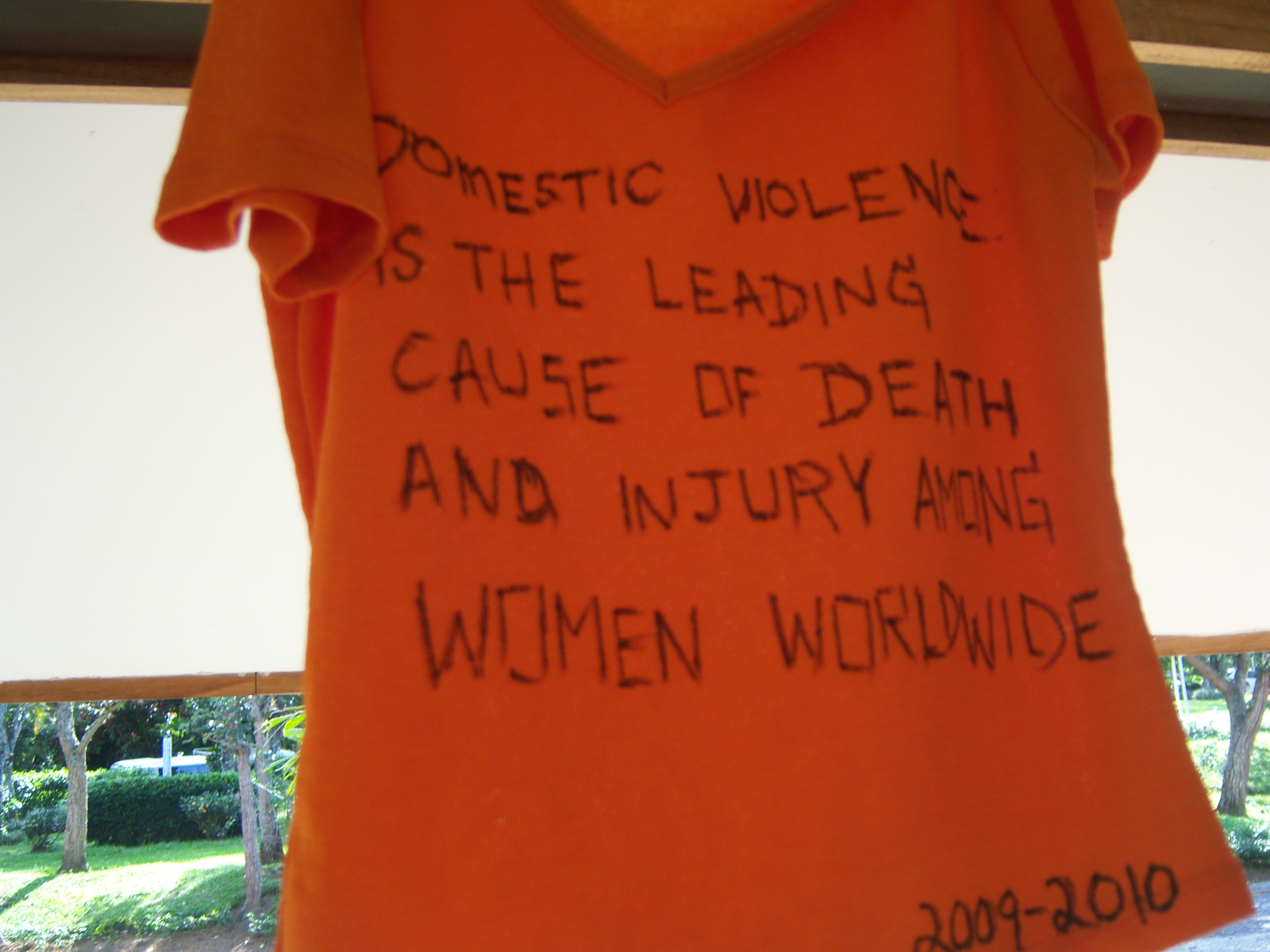
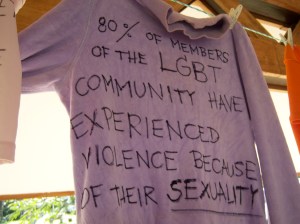
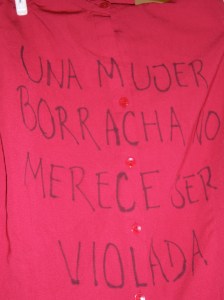
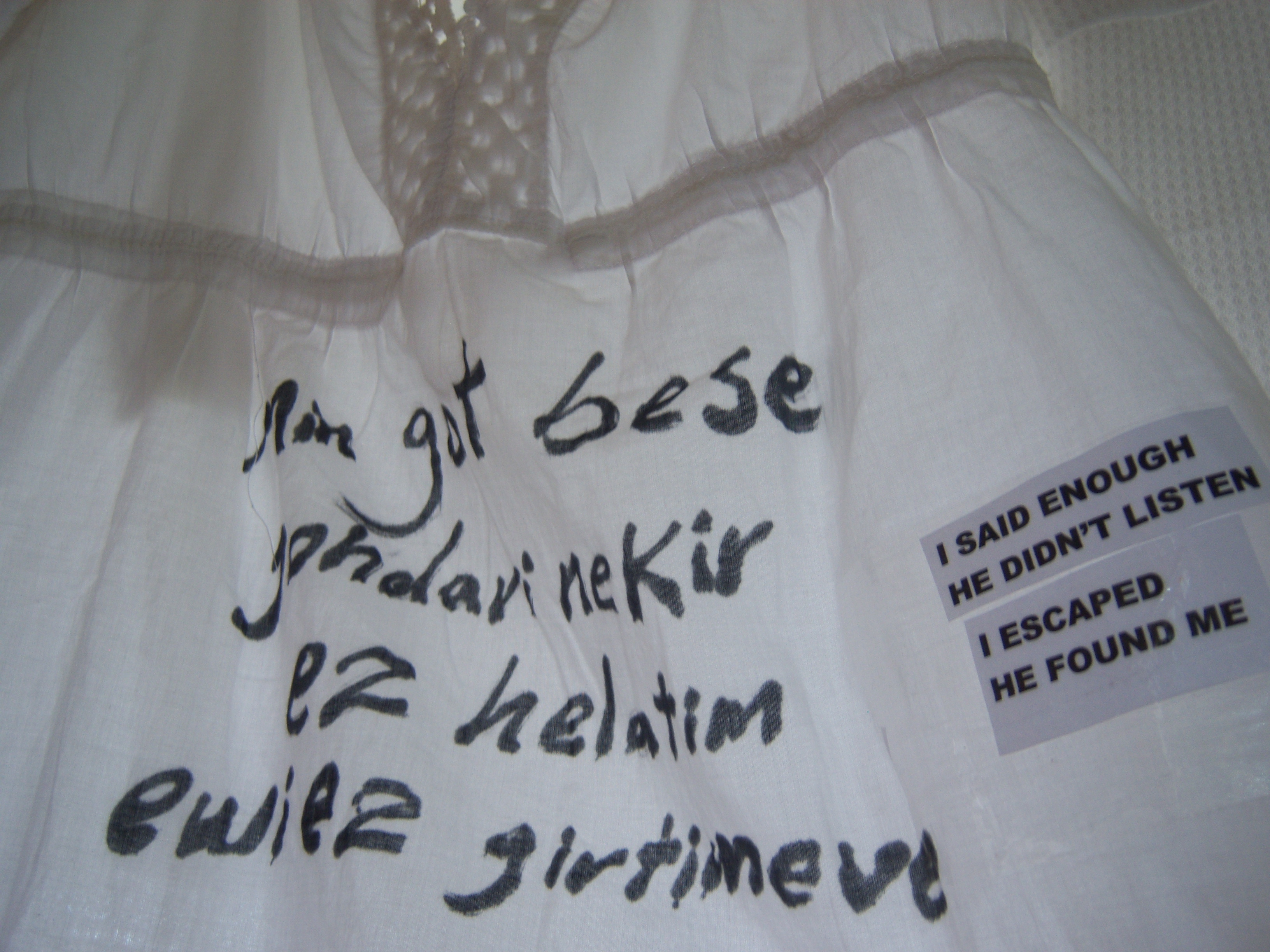
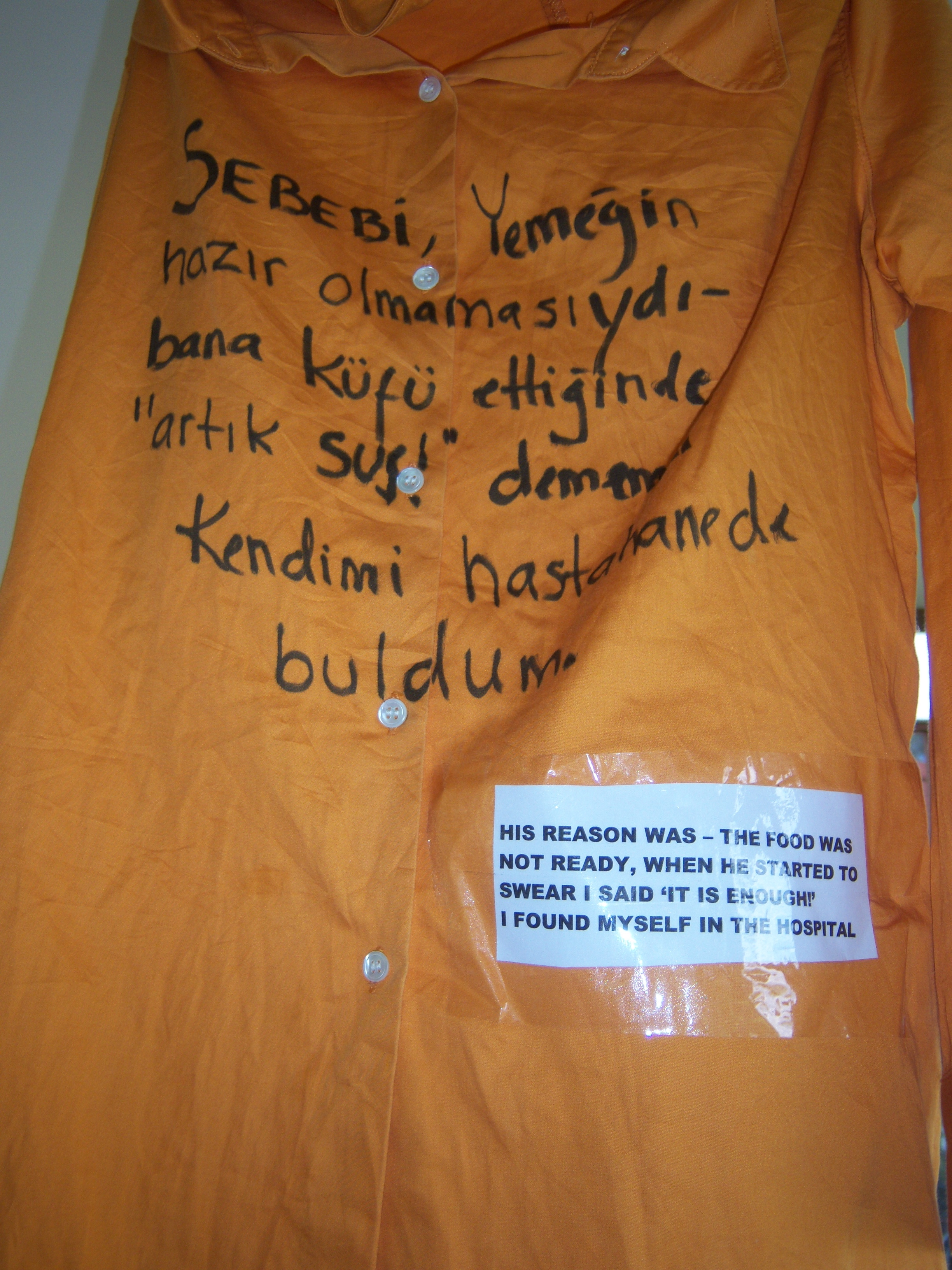
The Clothesline Project: I had witnessed the power of the Clothesline Project as an undergraduate student at San Diego State University. The personal messages written on old shirts at first are overwhelming and bring a sense of sadness and dismay, then you see the messages of hope and triumph written by women who have learned to overcome their own personal tragedies.

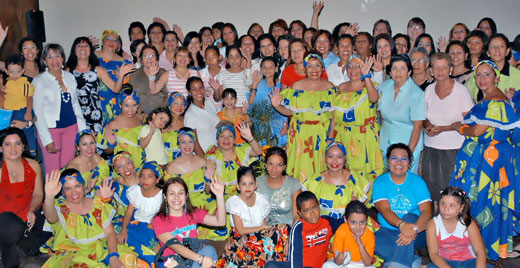
The first (and to-date only) Clothesline Project I have personally taken part in was last year at the University for Peace. All of the photos in this post are from that event. I cannot explain how empowering it was to share my own stories of abuse and support other women in their own healing processes.

Many groups that arrange Clothesline Projects do not allow men to write shirts but when asked by a classmate’s father if he could create a shirt to honor his sister who had been murdered by her boyfriend in front of her eight-year-old son, there was no way I could exclude men from our project.

Men and boys are also deeply affected by violence against women, and this project is a good cathartic opportunity for them to realize they have a community of people with whom they can share their stories and show their support to others who have faced similar challenges.

If you are interested in creating a Clothesline Project in your neighborhood to send a message of support to victims of violence, and defiance to perpetrators, see the original creator’s website.

For our project, we first raised money to buy shirts from a second-hand store. Because our student community was very international and would only be in Costa Rica for a year, most of us could not afford to part with the few articles of clothing we had brought with us.

At the store I purchased roughly 70 shirts of various solid colors. We used black permanent markers to share our stories and so some materials are better than others.

The color scheme of CP is broken down this way: Grey for verbal abuse, yellow and orange for physical violence, red and pink for rape and sexual assault, blue and green for child abuse, purple for violence against the LGBTQAI community, and white for murder.

From there we set up a quiet table, put pieces of cardboard in between the fronts and backs of the shirts so the markers wouldn’t bleed through, and started sharing our stories. We wrote the year on the hems of the shirts to keep track of them. We encouraged everyone to write in their native languages (our students came from 60 countries) and then we taped a typed translation onto the front of the shirts.

Because we were in a Spanish-speaking country, Spanish speakers were encouraged to write in Spanish on the front and English on the back. The idea was to eventually display the whole collection, with everything translated into Spanish, for the people of the town nearest our campus. While our class was never able to arrange this, we left the shirts our class made with the Gender & Peacebuilding department in hopes that this year’s class will add their stories, and continue our work.

The shirts were displayed for a week around the covered outdoor cafeteria area so that people could not ignore our message. The first day, during lunch, the display was accompanied by a soundtrack to make sure people were aware of how pervasive violence against women is. I created a soundtrack of a low-flying jet, a car alarm, and an air raid siren, which sounded every 13 seconds, every 2 minutes, and every 15 minutes, respectively. The jet symbolizes how often a woman is subjected to physical violence, the car alarm shows how often a woman is raped, and the siren alerts people to how often a woman is murdered in the US.

The event is emotional so if you are taking this on, be prepared for tears, confusion, and some very uncomfortable moments as people who think they don’t know anyone who has been victimized come to realize that no one’s safety is guaranteed.

Any event that raises awareness and gets people talking about such a taboo subject is a worthwhile nonviolent action. Together, we can overcome violence against women. 


Day 14- Women’s Activism in North America and Oceania

North America and Oceania may seem like a strange pairing, but especially because much of the activism of the women in the United States has already been covered, grouping some of the original commonwealth countries–Canada, Australia and New Zealand–together seemed logical. Oceania is comprised of dozens of small island nations that make up Polynesia, Micronesia and Melanesia, in addition to Australia and New Zealand. Not to diminish the rights and struggles of the peoples of small nations or under foreign control but for our purposes, any location we consider will be an independent country with a population of more than 100,000.

Australia: The land down under is paying tribute to four women who have pushed to advance gender equality in Australia by immortalizing them in stamps: Germaine Greer, Eva Cox, Elizabeth Evatt, and Anne Summers will all be awarded the Australian Post Australian Legends Award for 2011. Last year Australia elected it’s first female Prime Minister, Julia Gillard, who is currently on the losing side of public opinion with regards to marriage equality. Fifty-seven percent of Australians support marriage equality but she remains opposed to it. This page offers interesting insights into other battles women, especially migrant women, in Australia have historically faced.

New Zealand: The first nation in the world to grant all women the right to vote, in 1893, and to elect a transgender person to parliament, in 1999, New Zealand prides itself on a (slightly misleading) image of gender equality. The youngest person ever elected to the NZ parliament (and editor of the below mentioned book written by women of the Solomon Islands), Marilyn Waring, recollects her journey to political power here. Issues of domestic violence, the gender wage gap, underrepresentation in politics, and discrimination against the indigenous Maori people all still affect Kiwi women. And while the LGBTQAI community in New Zealand does enjoy most human rights, including some representation in government offices, marriage and adoption are still hurdles to be overcome.

Fiji: An innovative technique for raising awareness of young, rural women’s issues in Fiji, Tonga and the Solomon Islands is coming through community radio in Fiji. A weeklong training session, held annually, was arranged by FemLINKPACIFIC, which also address issues of disability, and peace and security through their inclusive, and intelligent approach. FemLINKPACIFIC’s Executive Director is personally breaking the silence around women’s health issues in Fiji by blogging with humor and poignancy about her experiences with breast cancer. Recently, Fiji islanders have had to deal with significant political violence, and Christian extremism which left women without governmental allies in the fight against domestic violence. Marital rape and lack of decision-making capabilities also leave many women in Fiji without a say in their own contraception and pregnancy options. Despite these obstacles, the women of Fiji have a long history of virulently demanding their rights

Papua New Guinea: In a country where sorcery is blamed for deaths caused by AIDS, women suffer tremendous violence in the name of eradicating witchcraft. Nearly 2/3 of women in Papua New Guinea experience domestic violence at some point in their lives and fully half of all women there are raped, partly because there are no laws against these crimes. Sometimes crime goes the other direction and men and boys are victimized, showing how seriously a culture of rape affects everyone involved. But women in Papua New Guinea are courageously combating both physical violence and the spread of HIV though activism. Environmental issues such as mining, logging, fisheries, and palm oil production also have a significant impact on the lives of women in Papua New Guinea and so they speak out about those issues too.

Solomon Islands: The voices of the women of the Solomon Islands have rarely been heard, either within their country or by outsiders, but the book Being the First broke that cycle of silence. Women in this island nation have been an integral part of the use of restorative justice in peacebuilding after years of ethnic tensions and violence. Violence against women is a serious issue in this country and women have been vital in PeaceWomen to combat injustices. Young women in Solomon Islands are also speaking out about climate change and its disproportionate effects on women and indigenous peoples. The women of the YWCA are also critical in the fight for equality.

Samoa: Transgender activist and community leader, Dr. Vena Sele, has continuously fought for equality while expressing one of the traditional gender roles in Samoa as a fa’afafine. Some Samoa bloggers are taking on tradition by speaking out about taboo subjects. This article explains current laws with regard to human rights in Samoa, and this article is a witty explanation of how damaging misconceptions can be.

Tonga: At least one women’s rights activist in the Kingdom of Tonga has raised concerns that the November 2010 election of Lord Tu’ivakano was not the victory for democracy that it was touted to be. Women activists have every right to be weary of the men in politics in Tonga, especially since the country refused to ratify CEDAW and the newly appointed Police Minister was previously charged with assaulting his wife. The Women and Children Crisis Center WCCC, a Mama Cash grantee, is one group working to change the acceptability of domestic violence in Tonga. They have been internationally recognized for their work and won the Pacific Human Rights Award in December 2010, and the Global Social Change Film Festival & Institute Activist Award for their work in the film Paradise Glossed: Women, Violence and ‘The Friendly Islands’

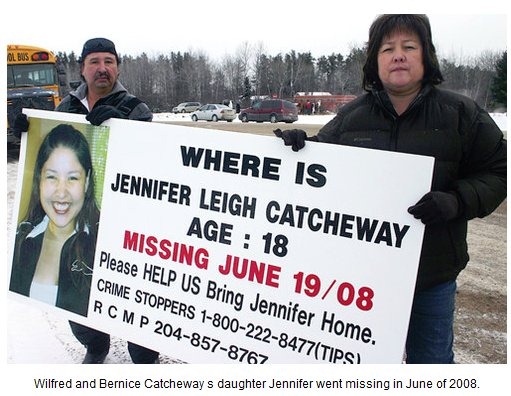
Canada: One look at Amnesty International’s Canada blog shows how determined Canadian women are in fighting for all women’s rights everywhere. Canada is a much more liberal, accepting and equal society than are we to the south, but no nation is perfect. Gender-based violence and blatant discrimination, including uninvestigated disappearances, against indigenous people still rock Canada on a regular basis. The government has not done much to address these inequalities but activists continue to speak out. On a side note–if you are a Canadian reproductive rights activist, age 19-30, go here to participate in a survey, please.

Mexico: While the Mexican government is sending women to jail for having an abortion, the femicides of Juarez, Mexico have been a disgrace to the world for years. More than 1,000 women have been killed there in the past 18 years. Many groups including Women of Juarez and Nuestras Hihas de Regreso a Casa (which has pages in many languages), fight to end the impunity in the brutal rapes, torture and murders of the women of Ciudad Juarez. Aqui hay un gran coleccion de articulos sobre los feminicidios. Y aqui Patricia Sanchez-Espinosa escrita que Ni Una Más será aceptable. And despite activists who speak out against this overwhelming violence being murdered as well, women in Mexico and around the world continue to raise their voices for justice for these women.

Enough of the violence against women- not one more!

Join the discussion for the next 7 days as we explore the many forms of violence against women and the incredible activists and organizations that are working to change the world.


Day 13- Women’s Activism in South America

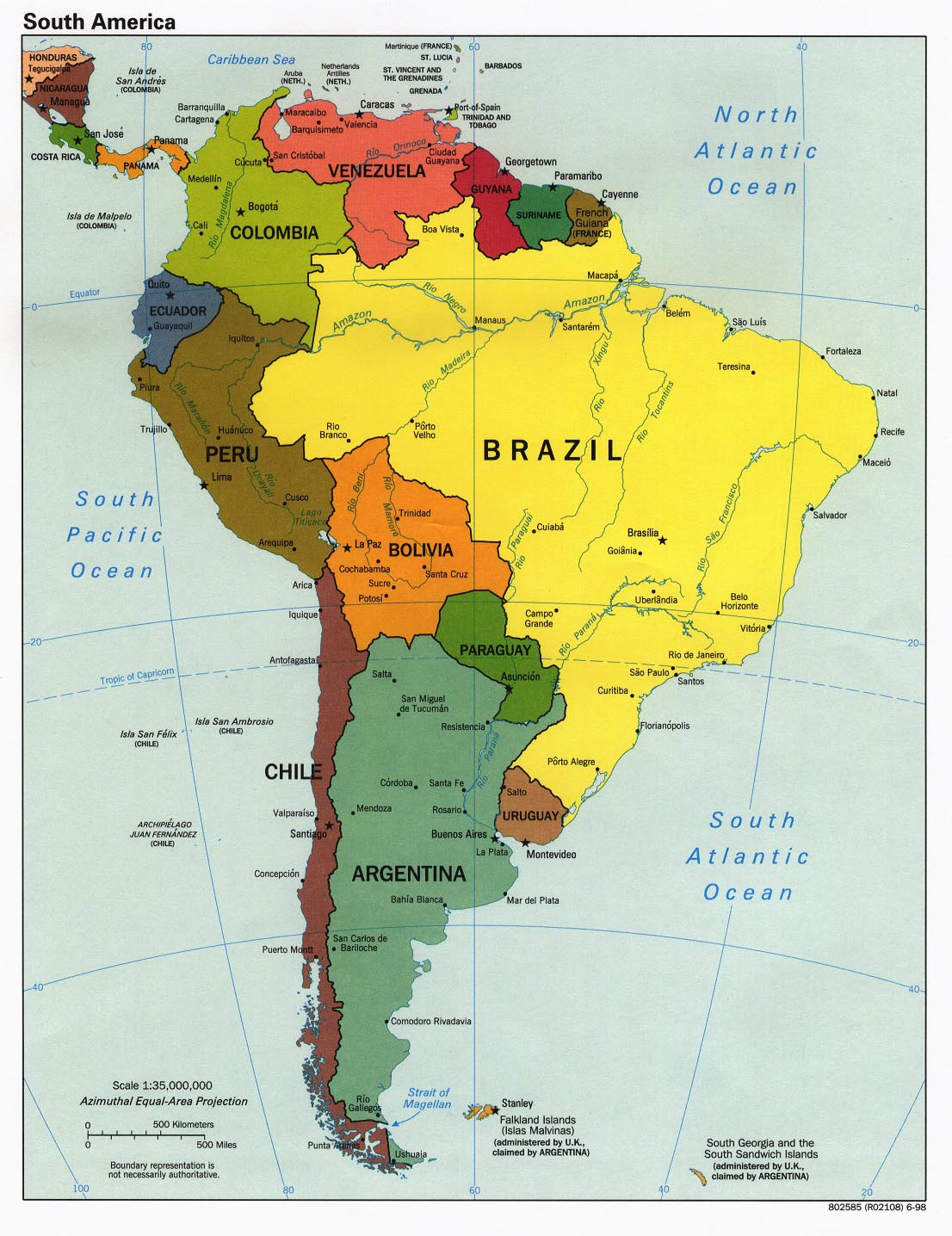
Yesterday’s discussion explored women’s activism in Central America and the Caribbean; today’s post will look at women in South America; and tomorrow we will see how women in North America combat injustice and inequality. Together, Mexico, Central America and South America make up what is commonly referred to as Latin America, with Brazil being the only non-Spanish-speaking country included in this grouping. South America also includes three areas that are not historically “Latin,” Suriname where Dutch is the official language, English-speaking Guyana, and French Guiana which is an overseas territory of France. Every nation in South America has a history of indigenous peoples and conquest. Today we will learn how women on this continent fight for their human rights.

Colombia: In one of the countries with the most internally displaced people in the world, civil war has raged since the 1960s and women participate in every group in Colombia, violent or not. Ruta Pacifica is one women’s group working for peace. Women’s voices are often silenced when they protest for peace or human rights, by both left- and right-wing guerilla forces and sometimes even the government, all of whom use sexual violence to intimidate. Sadly, violence against women, especially women protesters, has escalated to assassinations in Colombia. Unionists, and journalists are also frequent targets of violence in Columbia.

Venezuela: Venezuela’s controversial president, Hugo Chavez, has many supporters, and dissenters, among women but the Venezeulan bourgeoise that thrives on the misogyny of the beauty industry is among his most virulent opponents. Sadly, for a country with one of the most gender-competent constitutions in the world, there are only two women’s shelters. In any case, the country’s capital, Caracas, hosted this year’s Global Grassroots Women’s Conference to mark the 100th anniversary of International Women’s Day. These articles offer a balanced insight into the reality of life for ordinary Venezeulans.

Guyana: While Guyana has had a female president, politics in the country are still very male dominated. In honor of International Women’s Day Guyana’s Prime Minister addressed some of the obstacles women there face in achieving gender equality. This piece chronicles some of the important milestones of women’s rights in Guyana.

Brazil: Even though women in Brazil are not well represented in politics, November 2010 saw Brazil elect it’s first female President, but her candidacy and the race to the election was not without controversy over reproductive and social justice issues. Women’s groups in Brazil, possibly drawing inspiration from their newly elected President, are coming to understand the importance of organization and activism across all spectrums. Afro-Latina feminist activism in Brazil has deep roots that continue to inspire women there to fight for their rights, and disabled women activists in Brazil continue to fight for visibility and mobility there.

Peru: The quota systems in place to include women in government in Peru have proven to be ineffective, with women elected as puppets for male politicians. On the other hand, women in Peru are proving to be vital to ensuring the genetic biodiversity of the country’s food supply and protecting the country’s environment. Indigenous people in Peru have been the driving force behind holding everyone accountable for their environmental impact. Sadly, women’s bodily integrity has been a major issue in Peru, with women fearing for their safety if they bike to work, a number of women being sterilized against their will and women resulting to a national hotline for how to self-induce abortion because it is illegal there. This hip-hop artist is single-handedly taking on racism against the many varied peoples of Peru, and sexism through her music. One young Canadian woman tells her story of Peru here

Bolivia: 28% of Bolivia’s parliament seats are filled by women and half of President Evo Morales’s cabinet is women. Despite widespread violence against women (only in 2010 did the legal sentence for murdering a women finally equal the sentence for murdering a man!) and particular hardships for rural women, Bolivia’s President (oh how I love feminist men!) has pushed for gender equality and women’s land ownership. On International Women’s Day activist Maria Galindo was arrested for spray painting “No quiero ser la madre de Dios, de ese Dios blanco, civilizado, y conquistador” (I don’t want to be the mother of God, of this [masculine] white, civilized, and conquering God.) Go here for an academic analysis of the patriarchy of Bolivia.

Chile: The current leader of UNWomen, former Chilean President Michele Bachelet’s election in 2006 was a sign of hope for the women of Chile. In February of 2010 a massive earthquake struck Chile, and women were as much a part of the recovery process as they were victims of the tragedy. After the earthquake the government hired thousands of people to help rebuild and restore normalcy, but now the government says there is no room in the budget for these jobs. To demand the government continue to employ people to help in the earthquake recovery process 33 women in Chile have occupied a non-operational mine and are staging a hunger strike. Other activism takes place to combat forcible sterilization of HIV+ women and support feminist theology and women’s roles in spirituality.

Uruguay: La Maleta Roja (the Red Suitcase) is an organization in Uruguay that helps liberate women’s sexuality. Other women, including activist Maria Esther Gatti de Islas, have helped liberate political dissenters from government-forced disappearances. The Instituto Nacional de las Muejeres and Cotidiano Mujer are following in Gatti’s footsteps and continue to fight for women’s rights in Uruguay.

Argentina: Uruguayan activist Gatti also worked closely with the Madres de Plaza de Mayo and Argentina to fight for the rights of los desaparecidos. In July, 2010 Argentina became the first country in Latin America and the only country in the Western Hemisphere, besides Canada, to recognize marriage equality. The activist group Las Juanas is hoping to incite the writ of Habeus Corpus to legalize abortion in Argentina and also fights against femicides. Some activists have been attacked for merely starting discussions about contraception and abortion. Other activists fight against human trafficking, showing that the situation for women in Argentina needs improvement but the women there are not afraid to take on that work.


Day 12- Women’s Activism in Central America and the Caribbean

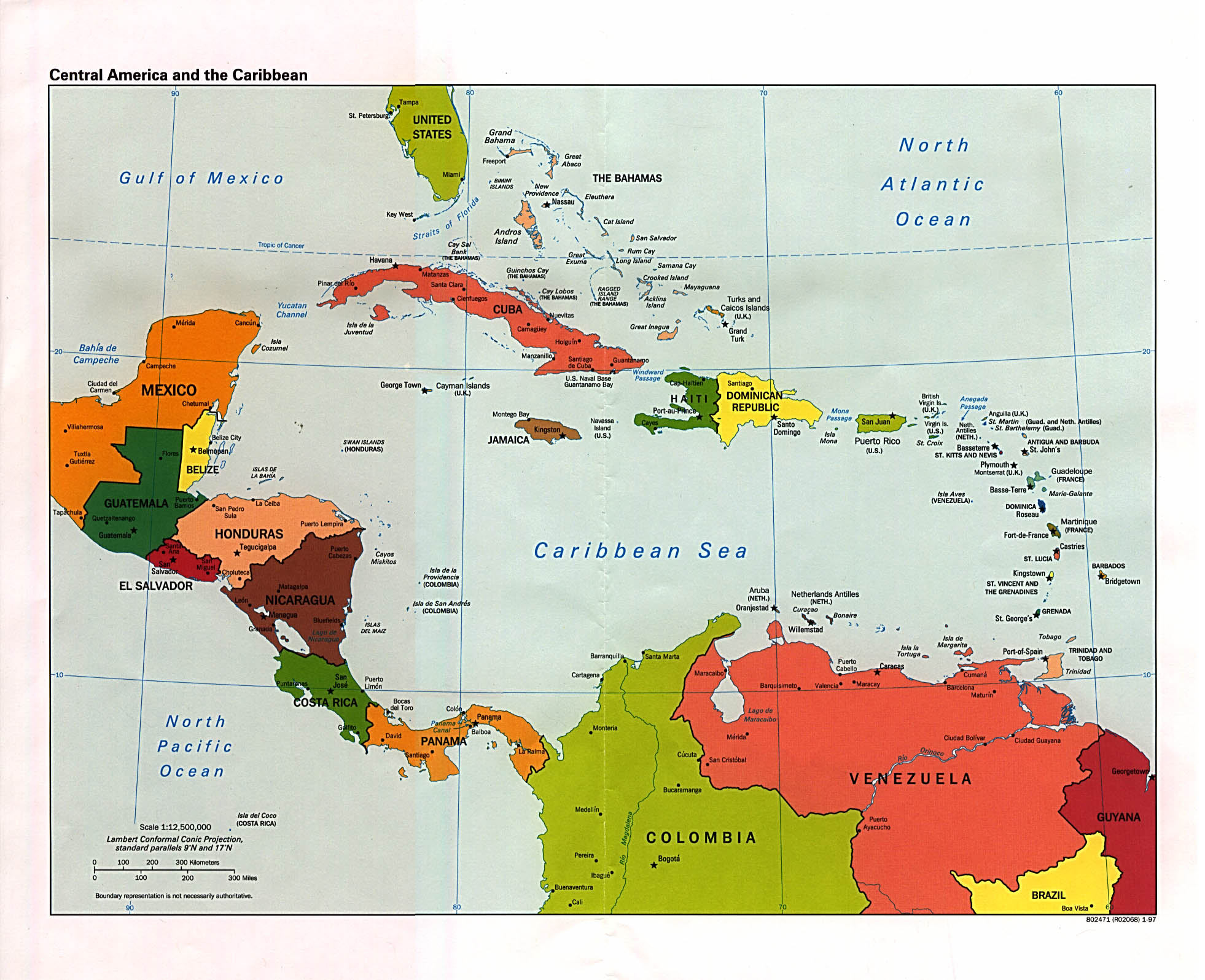
Central America and the island nations adjacent to it in the Caribbean Sea are often an unknown or forgotten part of the world. The biodiversity and fragile, supple ecosystems of these countries are under attack but so too are the people of this region. The high rates of violence in Central America and the damaging effects of climate change in the Caribbean mean that everyone here is on high alert. Two organizations that operate around the world to help women, but are particularly active in Central America are Vital Voices, the International Lesbian, Gay, Bisexual, Trans and Intersex Association and MADRE. Though I will attempt to find as much as possible in English, a number of the links today may be in Spanish, if they are, it will be clear.

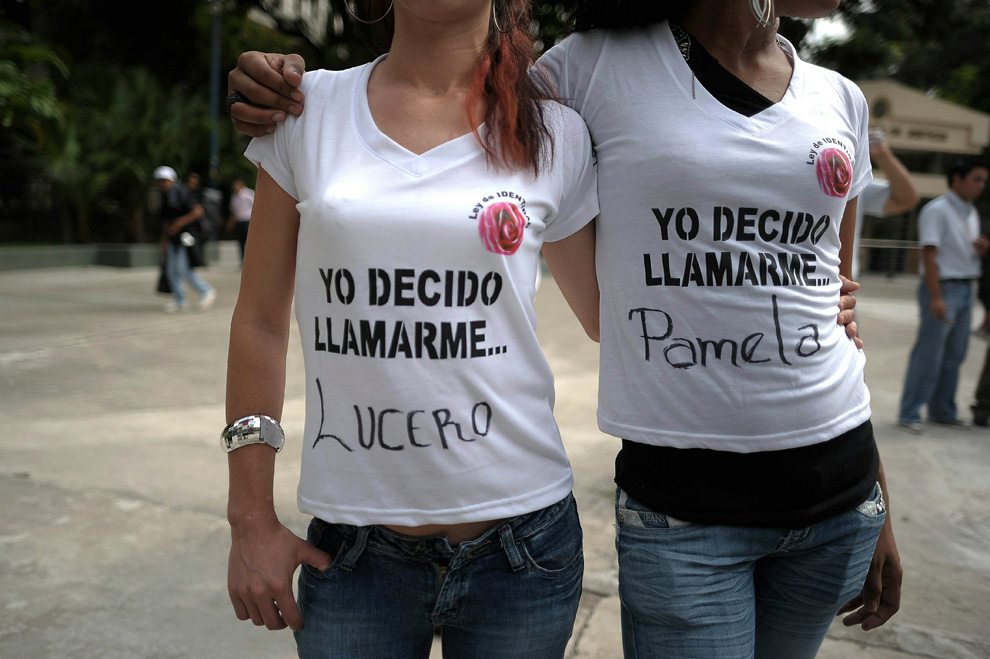
Guatemala: The murder rate in Guatemala is 49 of every 100,000 people. Frighteningly, it is not the highest in the region. But the rate of violence against women in this Central American country was enough to prompt a United States federal court to rule that immigration officials should reconsider the asylum request of a woman because she would suffer violence and possibly death if she returned to Guatemala. But some Guatemalan women are using activism within the US to demand a review of America’s policies. Norma Cruz, founder of Fundacion Sobrevivientes, “staged a hunger strike in front of the US Supreme Court to protest the illegal adoption of stolen children from Guatemala….”

Belize: A relatively new country, Belize’s social stratification is a complex web of ethnicity and race. Gender based violence is also problem in Belize, one of the many countries last year to participate in the UN’s 16 Days of Activism Against Gender-based Violence. The other major problem for Belize is destruction of its ecosystem: Belize is home to the second largest barrier reef in the world but the delicacy of this ecosystem means that any changes in the global temperature or sea levels can be disastrous.

El Salvador: In a country plagued by civil war, internal terrorism and political violence, it may be hard to imagine that life for women is more dangerous after the peace accords were signed, but it’s true for El Salvador- the country with the highest murder rate in the world in 2009. In a country where women’s average salary is 28% lower than men’s, rates of murder and rape of women rose after the war. Salvadoreños also deal with US intervention, especially when it comes to mining, on a regular basis. Go here to send support to activists from Cispes El Salvador who have received death threats because of their vocal objections to US intervention there. Unsurprisingly, LGBTQAI rights in El Salvador are also under attack, but Entre Amigos (in English) is not afraid to stand up for what’s right.

Honduras: Lower than El Salvador but higher than Guatemala, Honduras’s murder rate is 67/100,000 inhabitants. The 2009 coup that expelled the former-President has left women in political limbo, but they are still in the streets demanding their human rights. Activists in El Frente are frequently targeted for their participation in anti-Lobo (the new President) demonstrations. If you are interesting in participating in a training session for the health and safety of activists fighting for the rights of sweatshop workers in Honduras, go here.

Nicaragua: The feminist movement in Nicaragua has the same generational aches and growing pains as the women’s movement in the US but some young Nica women are actively working to make the label “feminist” a positive one. Women’s rights activists in Nicaragua have been persecuted by the Catholic Church but support letters from Amnesty International followers gave them the strength to continue their fight. This page concisely explains women’s grim reality in Nicaragua. This blog highlights the work of one of my colleagues who is volunteering his time to help the street children of Nicaragua.

Costa Rica: Many unique international organizations working for women’s rights operate out of Costa Rica, including the Feminist International Radio Endeavour (FIRE), and the UN-mandated University for Peace which offers a MA in Gender & Peacebuilding. Also in CR the Instituto Nacional de las Mujeres and the Centro de Investigacion en Estudios de la Mujer Universidad de Costa Rica are working academically to shape and improve women’s realities.

Panama: Panama’s first lady, on International Women’s Day, called for a nonviolent revolution to bring about gender equality in the country. Gender based violence and poverty are two major concerns for Panamanian women, in addition to “unequal access to education, and lack of political activism.” But many women in Panama do take to the streets in a different form of activism.

The Bahamas: Spousal rape and the ability to transfer citizenship to their children are two of the most contentious issues Bahamian women are fighting against and for, respectively. Part of the frustration of feminists in the Bahamas comes from women simply following men’s lead in politics. Rest assured though that if and when Bahamian women stand up for their rights, they will not be denied.

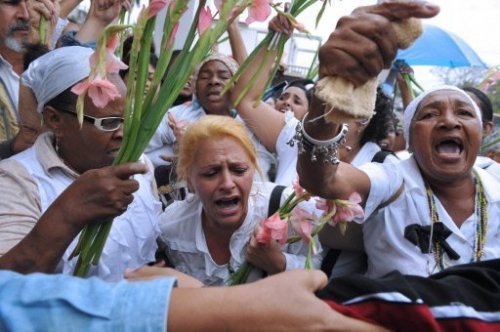
Cuba: The Revista Mujeres highlights the work and inequalities women face in Cuba today. One of the most vocal groups in Cuba Las Damas de Blanco visibly protest the government’s detention of their sons and husbands for their own political protests.

Jamaica: Homophobia is Jamaica has garnered the ire of LGBTQAI activists in the US but activists in Jamaica have their own hands full battling “corrective rape” of lesbians and violence against women in general. Racism is also still prevalent in Jamaica, but activists are speaking out against that too.

Haiti: Poor Haiti. Hurricanes, earthquakes, floods, diseases, and violence have marked Haiti’s recent history, with women suffering the most for it. Haiti lost three of its most influential women’s rights activists to the 2010 earthquake. The women who made rape a crime in Haiti, only in 2005, would have been heartbroken to hear the tragic tales of sexual violence in the makeshift camps that were constructed after the earthquake. Those women left behind continue to fight against violence, and rape (including testifying at the UN Court of Human Rights) and to have their voices heard. This year’s V-Day campaign also alerts the world to the plight of women in Haiti.

Puerto Rico: Although this island is not an independent nation, and is in fact, under the authority of the US, Puerto Rican women face unique challenges. This Master’s thesis by Matthew Perez of Ohio University explores the intersectionality of oppression that Puerto Ricans face. Activists in Puerto Rico two years ago seized the capital in a peaceful protest to decry the laws there that they say promote female submission to men and violence against women.

St. Lucia: The St. Lucia Crisis Center has participated for years in activities to bring about an end to violence against women, including AIDS awareness workshops. One of St. Lucia’s most vocal women’s rights activists, Flavia Cherry, spoke out about discrimination she has faced from the Minister of Gender Relations because of her political association.

St. Vincent and the Grenadines: As in the US, many, if not most rapes in St. Vincent and the Grenadines, a tiny island nation in the Caribbean Sea, are not reported. But when a female police officer accuses the Prime Minister of rape and the charges are dropped without investigation, it is too disheartening. This article is a good recent historical summary of the obstacles women face in St. Vincent and the Grenadines.

Trinidad and Tobago: The environment is one area that has been difficult for female activists in Trinidad and Tobago to break into, but Yvonne Ashby has managed to make her voice heard. Gender and feminism in the black power movement are explored in this essay, and at least one activist in this country has been harassed by the police for her vocal objections to the treatment of children and women. Trinidad and Tobago’s female Prime Minister, Kamla Persad-Bissessar, has promised that this year the country will establish a national Commission on the Status of Women, hopefully this will help address the concerns of the women and activists of Trinidad and Tobago.