Tag Archives: Activism

Day 16- Denim Day Movement

Yesterday we saw how The Clothesline Project uses T-shirts to raise awareness of and combat the acceptability of violence against women. Today we will explore how another ordinary article of clothing, jeans, can spread a message of hope, courage, support, and most of all, that “Yes means yes, no means no: whatever we wear, wherever we go!” 

This year Denim Day will fall on (or around) April 27. The date changes slightly each year but the Denim Day in LA website is regularly updated. Peace Over Violence, the organizers of Denim Day in LA, describe the event this way:

“It is a rape prevention education campaign, where we ask community members, elected officials, businesses and students to make a social statement with their fashion statement and on this day wear jeans as a visible means of protest against misconceptions that surround sexual assault.”

Denim Day was inspired by a rape case in Italy in which the Italian Supreme Court overturned a rape conviction because, the judge argued, the victim was wearing tight jeans, and so must have helped her attacker take them off, thus consenting to sex. To protest the ridiculous verdict women of the Italian parliament protested by wearing jeans to work. News of the protest spread to California where our legislators did the same, and when the Executive Director of Peace Over Violence heard about it, Denim Day in LA was born. That was in 1999 and Denim Day has taken place across the globe since then.
The outrage that followed this case continues today as many states in the US do not have laws about rape that contain the word “consent” but rather identify rape solely by penetration. My biggest complaint with rape laws in the US (other than their complete lack of enforceability) is that the justice system currently does not consider a man forcing a woman to continue having sex to be rape. That is, once a woman consents to an act of sex, she then has no power to terminate it. It’s infuriating that in 2011 we are still debating whether women should have the right to control their own bodies (in this and many other contentious areas).

Many organizations, such as the Missouri Department of  Health & Senior Services offer toolkits for organizing your own Denim Day, and Denim Day is an internationally recognized event, taking place in communities and college campuses around the world. Nearly all domestic violence and rape/sexual assault shelters and organizations also participate in Denim Day, so if you are interested in helping out and helping to squash myths surrounding sexual assault, contact your local shelters to see if they can use volunteers.


Also from the Denim Day in LA website:

MYTHS & REALITIES ABOUT SEXUAL ASSAULT

Rape is not sex, it is violence

Myth: Women encourage rape by wearing sexy, suggestive clothing. If someone dresses conservatively they are less likely to be raped.

Reality: Research consistently shows that rape is about the need to act out power and control, not what a person wears. In fact, women and girls have been raped while wearing everything from pajamas to jeans to business suits.

Myth: Most rapes occur in a dark alley by a stranger.

Reality: About 75% of rape victims are assaulted by someone they know . . . intimates or acquaintances. This could include dates, family members, boyfriends, and husbands.

Myth: If a woman consents once to sex with someone, she can’t ever be raped by him. If she knows

him or is in a relationship with him, she can’t be raped.

Reality: Coercing or forcing someone to have sex against their will is sexual violence. Knowing, dating, being married or related to, is not a license to rape.

Myth: He’s attractive and successful. Anyone would want to be with him. He couldn’t be a rapist.

Reality: Rapists come from all types of backgrounds and all walks of life. Money and success does not preclude committing a crime, but in some cases it has helped avoid a conviction.

If you or someone you know needs help here are some organizations that can offer support:


National Hotlines:

Rape, Abuse, Incest National Network (RAINN)
800.656.HOPE (4673)
http://www.rainn.org/

National Domestic Violence Hotline

800.799.SAFE (7233)
800.787.3224 TDD

Home


Day 15- The Clothesline Project

Today starts a week of discussion surrounding organizations and actions that aim to combat violence against women. Gender-based violence takes many forms including emotional, psychological, financial, verbal, physical, and sexual abuse.

Women all around the world are at risk for violence.

Violence is often inflicted on women by men they are close to such as fathers, husbands, brothers, uncles, or boyfriends, but lesbians and transgendered people around the world are at risk of assault and sexual violence everyday, just because they exist. And while violence within LGBTQAI relationships is often overlooked and covered up, lesbians are not exempt from domestic violence.

Another vulnerable group of adult women are elderly women, both in retirement homes and out. Elder abuse can take many forms, from neglect to homelessness and widows in many countries are even more vulnerable. This week we will not tackle child abuse as a separate topic but look at the various ways in which girl children are specifically targeted for abuse and victimized by incest.

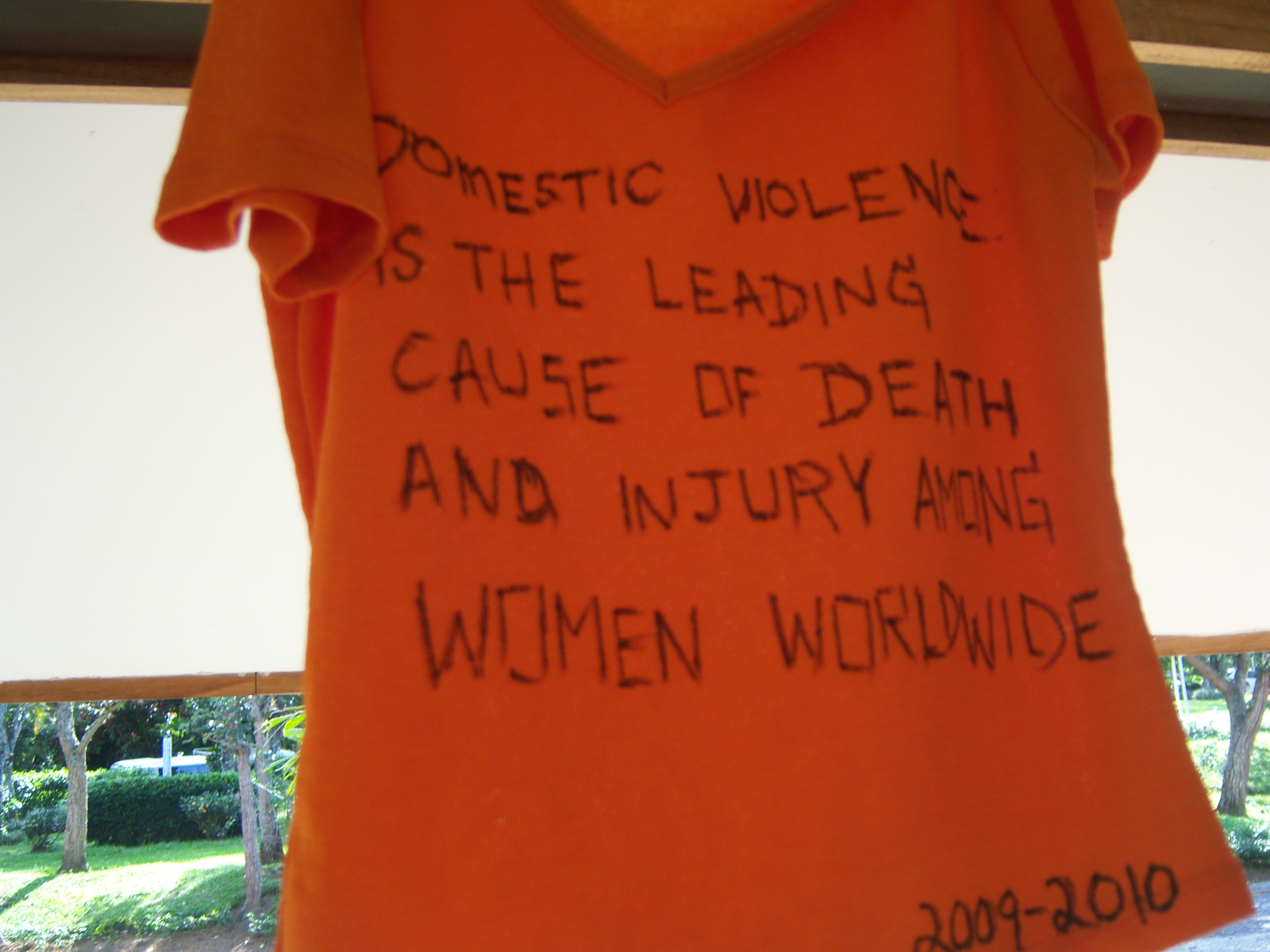
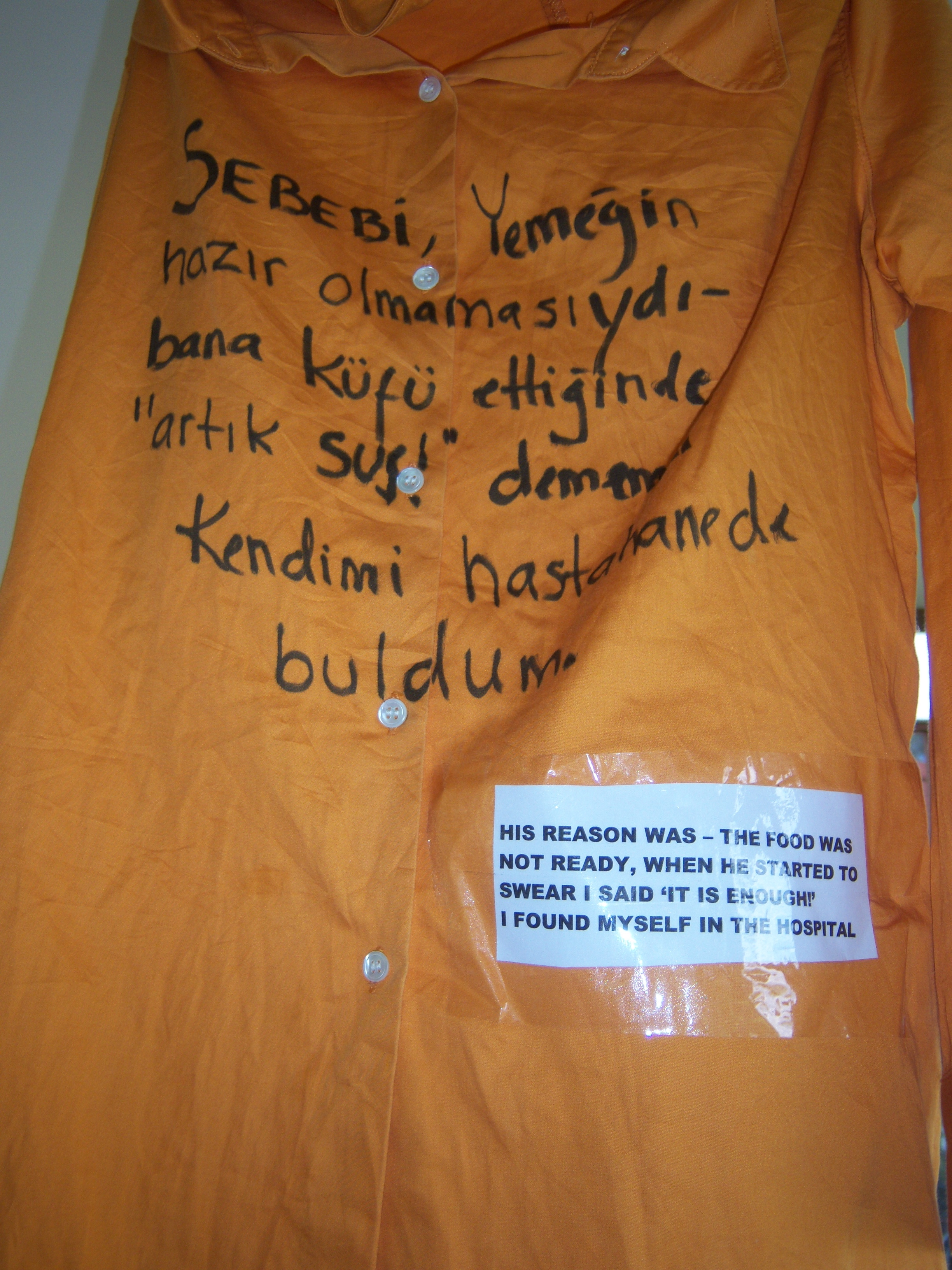
The Clothesline Project: I had witnessed the power of the Clothesline Project as an undergraduate student at San Diego State University. The personal messages written on old shirts at first are overwhelming and bring a sense of sadness and dismay, then you see the messages of hope and triumph written by women who have learned to overcome their own personal tragedies.

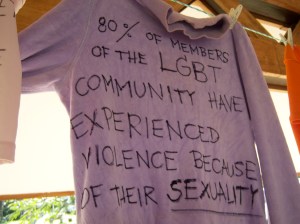
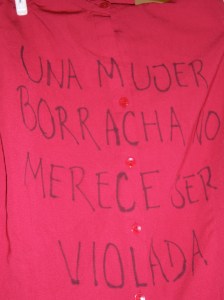
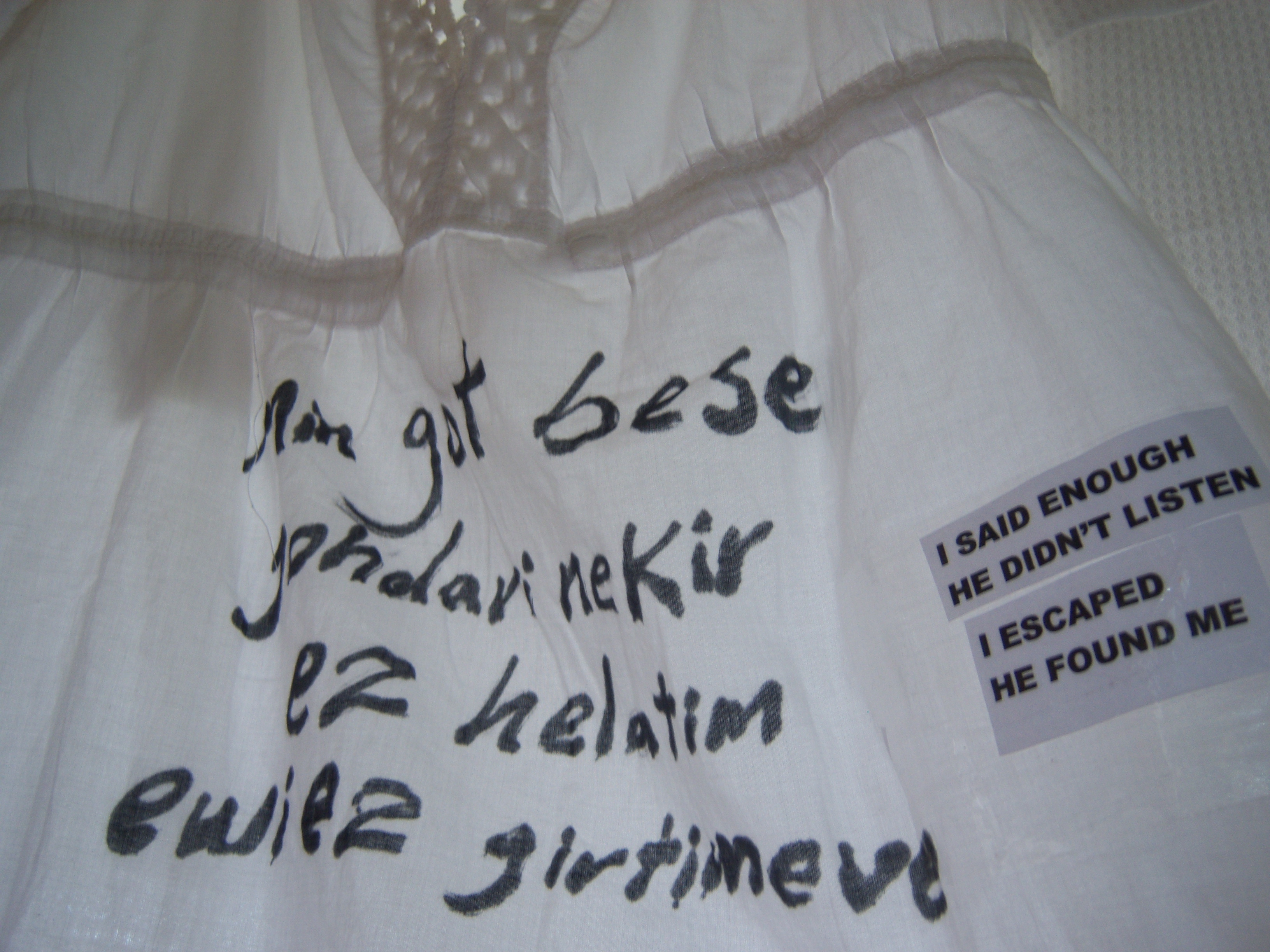
The first (and to-date only) Clothesline Project I have personally taken part in was last year at the University for Peace. All of the photos in this post are from that event. I cannot explain how empowering it was to share my own stories of abuse and support other women in their own healing processes.

Many groups that arrange Clothesline Projects do not allow men to write shirts but when asked by a classmate’s father if he could create a shirt to honor his sister who had been murdered by her boyfriend in front of her eight-year-old son, there was no way I could exclude men from our project.

Men and boys are also deeply affected by violence against women, and this project is a good cathartic opportunity for them to realize they have a community of people with whom they can share their stories and show their support to others who have faced similar challenges.

If you are interested in creating a Clothesline Project in your neighborhood to send a message of support to victims of violence, and defiance to perpetrators, see the original creator’s website.

For our project, we first raised money to buy shirts from a second-hand store. Because our student community was very international and would only be in Costa Rica for a year, most of us could not afford to part with the few articles of clothing we had brought with us.

At the store I purchased roughly 70 shirts of various solid colors. We used black permanent markers to share our stories and so some materials are better than others.

The color scheme of CP is broken down this way: Grey for verbal abuse, yellow and orange for physical violence, red and pink for rape and sexual assault, blue and green for child abuse, purple for violence against the LGBTQAI community, and white for murder.

From there we set up a quiet table, put pieces of cardboard in between the fronts and backs of the shirts so the markers wouldn’t bleed through, and started sharing our stories. We wrote the year on the hems of the shirts to keep track of them. We encouraged everyone to write in their native languages (our students came from 60 countries) and then we taped a typed translation onto the front of the shirts.

Because we were in a Spanish-speaking country, Spanish speakers were encouraged to write in Spanish on the front and English on the back. The idea was to eventually display the whole collection, with everything translated into Spanish, for the people of the town nearest our campus. While our class was never able to arrange this, we left the shirts our class made with the Gender & Peacebuilding department in hopes that this year’s class will add their stories, and continue our work.

The shirts were displayed for a week around the covered outdoor cafeteria area so that people could not ignore our message. The first day, during lunch, the display was accompanied by a soundtrack to make sure people were aware of how pervasive violence against women is. I created a soundtrack of a low-flying jet, a car alarm, and an air raid siren, which sounded every 13 seconds, every 2 minutes, and every 15 minutes, respectively. The jet symbolizes how often a woman is subjected to physical violence, the car alarm shows how often a woman is raped, and the siren alerts people to how often a woman is murdered in the US.

The event is emotional so if you are taking this on, be prepared for tears, confusion, and some very uncomfortable moments as people who think they don’t know anyone who has been victimized come to realize that no one’s safety is guaranteed.

Any event that raises awareness and gets people talking about such a taboo subject is a worthwhile nonviolent action. Together, we can overcome violence against women. 


Day 14- Women’s Activism in North America and Oceania

North America and Oceania may seem like a strange pairing, but especially because much of the activism of the women in the United States has already been covered, grouping some of the original commonwealth countries–Canada, Australia and New Zealand–together seemed logical. Oceania is comprised of dozens of small island nations that make up Polynesia, Micronesia and Melanesia, in addition to Australia and New Zealand. Not to diminish the rights and struggles of the peoples of small nations or under foreign control but for our purposes, any location we consider will be an independent country with a population of more than 100,000.

Australia: The land down under is paying tribute to four women who have pushed to advance gender equality in Australia by immortalizing them in stamps: Germaine Greer, Eva Cox, Elizabeth Evatt, and Anne Summers will all be awarded the Australian Post Australian Legends Award for 2011. Last year Australia elected it’s first female Prime Minister, Julia Gillard, who is currently on the losing side of public opinion with regards to marriage equality. Fifty-seven percent of Australians support marriage equality but she remains opposed to it. This page offers interesting insights into other battles women, especially migrant women, in Australia have historically faced.

New Zealand: The first nation in the world to grant all women the right to vote, in 1893, and to elect a transgender person to parliament, in 1999, New Zealand prides itself on a (slightly misleading) image of gender equality. The youngest person ever elected to the NZ parliament (and editor of the below mentioned book written by women of the Solomon Islands), Marilyn Waring, recollects her journey to political power here. Issues of domestic violence, the gender wage gap, underrepresentation in politics, and discrimination against the indigenous Maori people all still affect Kiwi women. And while the LGBTQAI community in New Zealand does enjoy most human rights, including some representation in government offices, marriage and adoption are still hurdles to be overcome.

Fiji: An innovative technique for raising awareness of young, rural women’s issues in Fiji, Tonga and the Solomon Islands is coming through community radio in Fiji. A weeklong training session, held annually, was arranged by FemLINKPACIFIC, which also address issues of disability, and peace and security through their inclusive, and intelligent approach. FemLINKPACIFIC’s Executive Director is personally breaking the silence around women’s health issues in Fiji by blogging with humor and poignancy about her experiences with breast cancer. Recently, Fiji islanders have had to deal with significant political violence, and Christian extremism which left women without governmental allies in the fight against domestic violence. Marital rape and lack of decision-making capabilities also leave many women in Fiji without a say in their own contraception and pregnancy options. Despite these obstacles, the women of Fiji have a long history of virulently demanding their rights

Papua New Guinea: In a country where sorcery is blamed for deaths caused by AIDS, women suffer tremendous violence in the name of eradicating witchcraft. Nearly 2/3 of women in Papua New Guinea experience domestic violence at some point in their lives and fully half of all women there are raped, partly because there are no laws against these crimes. Sometimes crime goes the other direction and men and boys are victimized, showing how seriously a culture of rape affects everyone involved. But women in Papua New Guinea are courageously combating both physical violence and the spread of HIV though activism. Environmental issues such as mining, logging, fisheries, and palm oil production also have a significant impact on the lives of women in Papua New Guinea and so they speak out about those issues too.

Solomon Islands: The voices of the women of the Solomon Islands have rarely been heard, either within their country or by outsiders, but the book Being the First broke that cycle of silence. Women in this island nation have been an integral part of the use of restorative justice in peacebuilding after years of ethnic tensions and violence. Violence against women is a serious issue in this country and women have been vital in PeaceWomen to combat injustices. Young women in Solomon Islands are also speaking out about climate change and its disproportionate effects on women and indigenous peoples. The women of the YWCA are also critical in the fight for equality.

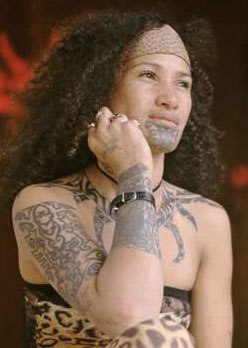
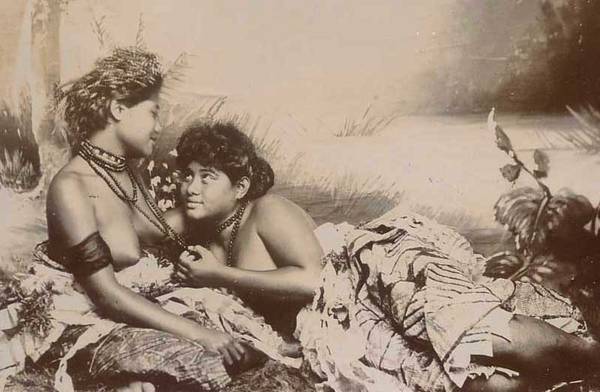
Samoa: Transgender activist and community leader, Dr. Vena Sele, has continuously fought for equality while expressing one of the traditional gender roles in Samoa as a fa’afafine. Some Samoa bloggers are taking on tradition by speaking out about taboo subjects. This article explains current laws with regard to human rights in Samoa, and this article is a witty explanation of how damaging misconceptions can be.

Tonga: At least one women’s rights activist in the Kingdom of Tonga has raised concerns that the November 2010 election of Lord Tu’ivakano was not the victory for democracy that it was touted to be. Women activists have every right to be weary of the men in politics in Tonga, especially since the country refused to ratify CEDAW and the newly appointed Police Minister was previously charged with assaulting his wife. The Women and Children Crisis Center WCCC, a Mama Cash grantee, is one group working to change the acceptability of domestic violence in Tonga. They have been internationally recognized for their work and won the Pacific Human Rights Award in December 2010, and the Global Social Change Film Festival & Institute Activist Award for their work in the film Paradise Glossed: Women, Violence and ‘The Friendly Islands’

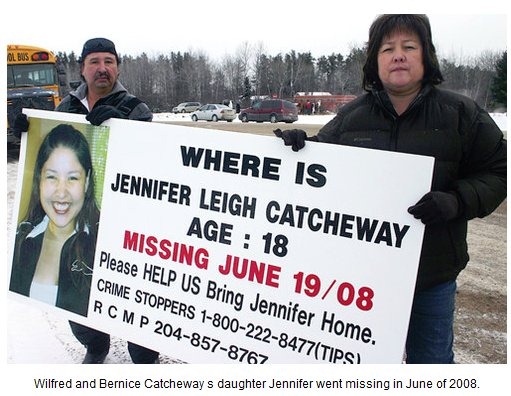
Canada: One look at Amnesty International’s Canada blog shows how determined Canadian women are in fighting for all women’s rights everywhere. Canada is a much more liberal, accepting and equal society than are we to the south, but no nation is perfect. Gender-based violence and blatant discrimination, including uninvestigated disappearances, against indigenous people still rock Canada on a regular basis. The government has not done much to address these inequalities but activists continue to speak out. On a side note–if you are a Canadian reproductive rights activist, age 19-30, go here to participate in a survey, please.

Mexico: While the Mexican government is sending women to jail for having an abortion, the femicides of Juarez, Mexico have been a disgrace to the world for years. More than 1,000 women have been killed there in the past 18 years. Many groups including Women of Juarez and Nuestras Hihas de Regreso a Casa (which has pages in many languages), fight to end the impunity in the brutal rapes, torture and murders of the women of Ciudad Juarez. Aqui hay un gran coleccion de articulos sobre los feminicidios. Y aqui Patricia Sanchez-Espinosa escrita que Ni Una Más será aceptable. And despite activists who speak out against this overwhelming violence being murdered as well, women in Mexico and around the world continue to raise their voices for justice for these women.

Enough of the violence against women- not one more!

Join the discussion for the next 7 days as we explore the many forms of violence against women and the incredible activists and organizations that are working to change the world.


Day 13- Women’s Activism in South America

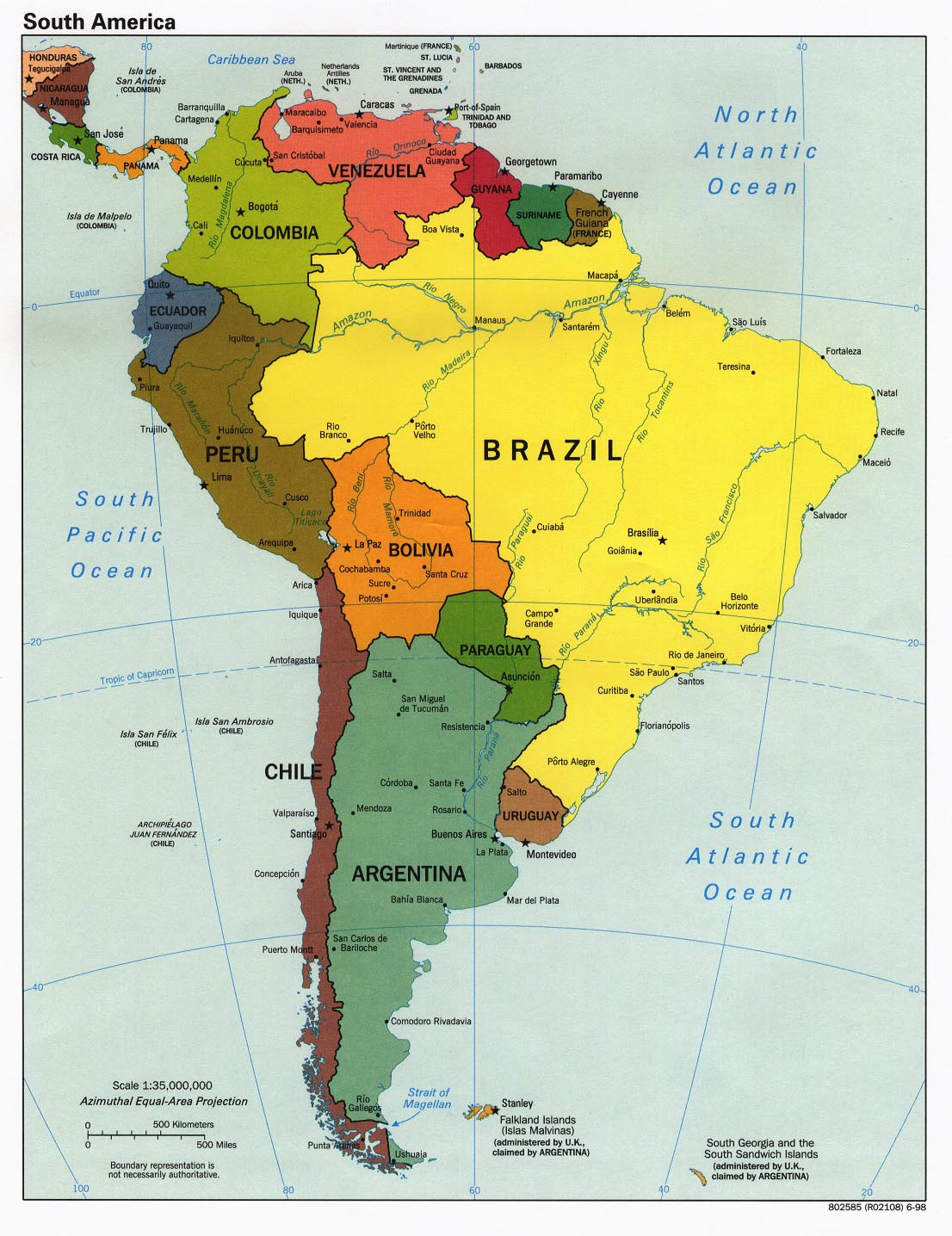
Yesterday’s discussion explored women’s activism in Central America and the Caribbean; today’s post will look at women in South America; and tomorrow we will see how women in North America combat injustice and inequality. Together, Mexico, Central America and South America make up what is commonly referred to as Latin America, with Brazil being the only non-Spanish-speaking country included in this grouping. South America also includes three areas that are not historically “Latin,” Suriname where Dutch is the official language, English-speaking Guyana, and French Guiana which is an overseas territory of France. Every nation in South America has a history of indigenous peoples and conquest. Today we will learn how women on this continent fight for their human rights.

Colombia: In one of the countries with the most internally displaced people in the world, civil war has raged since the 1960s and women participate in every group in Colombia, violent or not. Ruta Pacifica is one women’s group working for peace. Women’s voices are often silenced when they protest for peace or human rights, by both left- and right-wing guerilla forces and sometimes even the government, all of whom use sexual violence to intimidate. Sadly, violence against women, especially women protesters, has escalated to assassinations in Colombia. Unionists, and journalists are also frequent targets of violence in Columbia.

Venezuela: Venezuela’s controversial president, Hugo Chavez, has many supporters, and dissenters, among women but the Venezeulan bourgeoise that thrives on the misogyny of the beauty industry is among his most virulent opponents. Sadly, for a country with one of the most gender-competent constitutions in the world, there are only two women’s shelters. In any case, the country’s capital, Caracas, hosted this year’s Global Grassroots Women’s Conference to mark the 100th anniversary of International Women’s Day. These articles offer a balanced insight into the reality of life for ordinary Venezeulans.

Guyana: While Guyana has had a female president, politics in the country are still very male dominated. In honor of International Women’s Day Guyana’s Prime Minister addressed some of the obstacles women there face in achieving gender equality. This piece chronicles some of the important milestones of women’s rights in Guyana.

Brazil: Even though women in Brazil are not well represented in politics, November 2010 saw Brazil elect it’s first female President, but her candidacy and the race to the election was not without controversy over reproductive and social justice issues. Women’s groups in Brazil, possibly drawing inspiration from their newly elected President, are coming to understand the importance of organization and activism across all spectrums. Afro-Latina feminist activism in Brazil has deep roots that continue to inspire women there to fight for their rights, and disabled women activists in Brazil continue to fight for visibility and mobility there.

Peru: The quota systems in place to include women in government in Peru have proven to be ineffective, with women elected as puppets for male politicians. On the other hand, women in Peru are proving to be vital to ensuring the genetic biodiversity of the country’s food supply and protecting the country’s environment. Indigenous people in Peru have been the driving force behind holding everyone accountable for their environmental impact. Sadly, women’s bodily integrity has been a major issue in Peru, with women fearing for their safety if they bike to work, a number of women being sterilized against their will and women resulting to a national hotline for how to self-induce abortion because it is illegal there. This hip-hop artist is single-handedly taking on racism against the many varied peoples of Peru, and sexism through her music. One young Canadian woman tells her story of Peru here

Bolivia: 28% of Bolivia’s parliament seats are filled by women and half of President Evo Morales’s cabinet is women. Despite widespread violence against women (only in 2010 did the legal sentence for murdering a women finally equal the sentence for murdering a man!) and particular hardships for rural women, Bolivia’s President (oh how I love feminist men!) has pushed for gender equality and women’s land ownership. On International Women’s Day activist Maria Galindo was arrested for spray painting “No quiero ser la madre de Dios, de ese Dios blanco, civilizado, y conquistador” (I don’t want to be the mother of God, of this [masculine] white, civilized, and conquering God.) Go here for an academic analysis of the patriarchy of Bolivia.

Chile: The current leader of UNWomen, former Chilean President Michele Bachelet’s election in 2006 was a sign of hope for the women of Chile. In February of 2010 a massive earthquake struck Chile, and women were as much a part of the recovery process as they were victims of the tragedy. After the earthquake the government hired thousands of people to help rebuild and restore normalcy, but now the government says there is no room in the budget for these jobs. To demand the government continue to employ people to help in the earthquake recovery process 33 women in Chile have occupied a non-operational mine and are staging a hunger strike. Other activism takes place to combat forcible sterilization of HIV+ women and support feminist theology and women’s roles in spirituality.

Uruguay: La Maleta Roja (the Red Suitcase) is an organization in Uruguay that helps liberate women’s sexuality. Other women, including activist Maria Esther Gatti de Islas, have helped liberate political dissenters from government-forced disappearances. The Instituto Nacional de las Muejeres and Cotidiano Mujer are following in Gatti’s footsteps and continue to fight for women’s rights in Uruguay.

Argentina: Uruguayan activist Gatti also worked closely with the Madres de Plaza de Mayo and Argentina to fight for the rights of los desaparecidos. In July, 2010 Argentina became the first country in Latin America and the only country in the Western Hemisphere, besides Canada, to recognize marriage equality. The activist group Las Juanas is hoping to incite the writ of Habeus Corpus to legalize abortion in Argentina and also fights against femicides. Some activists have been attacked for merely starting discussions about contraception and abortion. Other activists fight against human trafficking, showing that the situation for women in Argentina needs improvement but the women there are not afraid to take on that work.


Day 12- Women’s Activism in Central America and the Caribbean

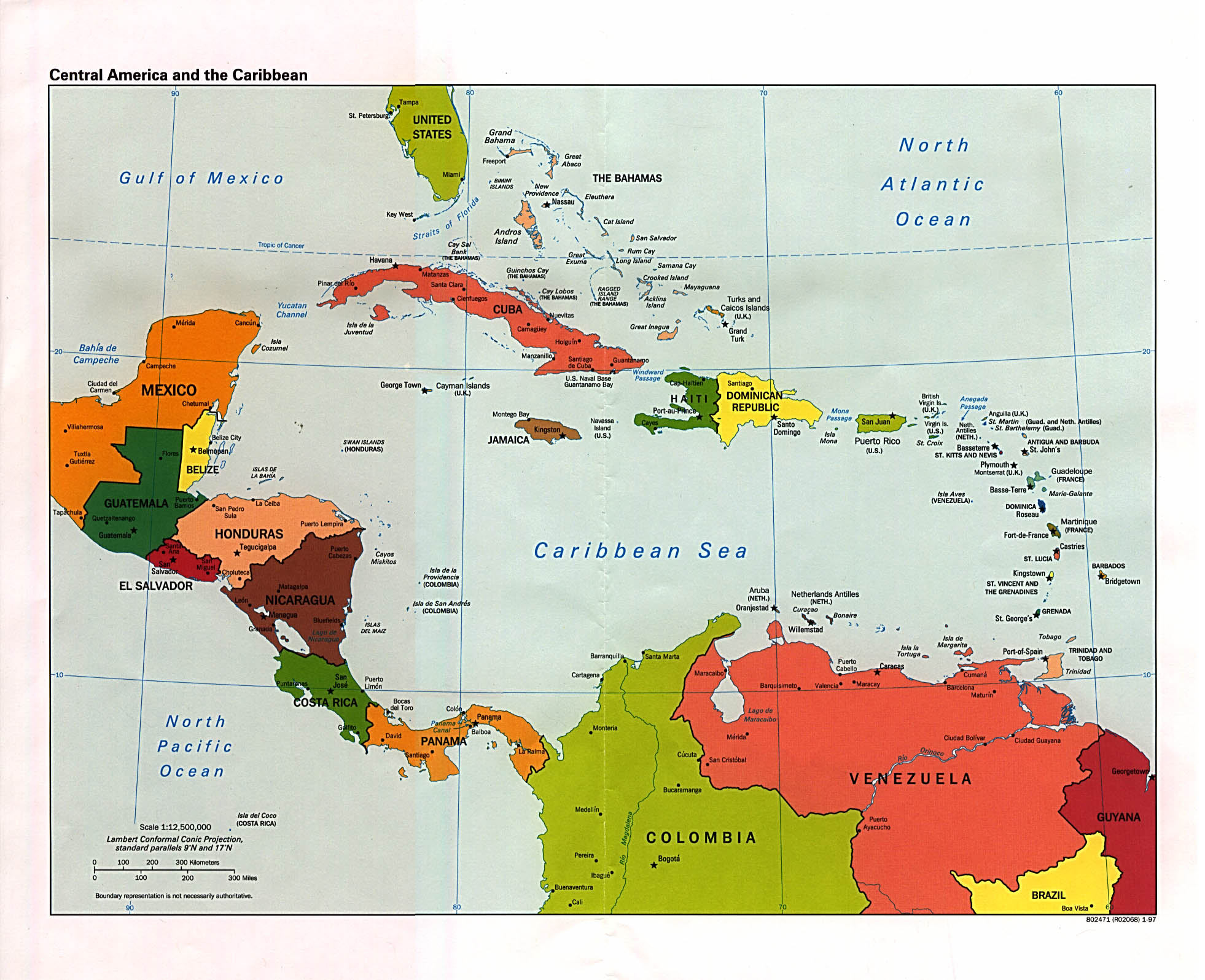
Central America and the island nations adjacent to it in the Caribbean Sea are often an unknown or forgotten part of the world. The biodiversity and fragile, supple ecosystems of these countries are under attack but so too are the people of this region. The high rates of violence in Central America and the damaging effects of climate change in the Caribbean mean that everyone here is on high alert. Two organizations that operate around the world to help women, but are particularly active in Central America are Vital Voices, the International Lesbian, Gay, Bisexual, Trans and Intersex Association and MADRE. Though I will attempt to find as much as possible in English, a number of the links today may be in Spanish, if they are, it will be clear.

Guatemala: The murder rate in Guatemala is 49 of every 100,000 people. Frighteningly, it is not the highest in the region. But the rate of violence against women in this Central American country was enough to prompt a United States federal court to rule that immigration officials should reconsider the asylum request of a woman because she would suffer violence and possibly death if she returned to Guatemala. But some Guatemalan women are using activism within the US to demand a review of America’s policies. Norma Cruz, founder of Fundacion Sobrevivientes, “staged a hunger strike in front of the US Supreme Court to protest the illegal adoption of stolen children from Guatemala….”

Belize: A relatively new country, Belize’s social stratification is a complex web of ethnicity and race. Gender based violence is also problem in Belize, one of the many countries last year to participate in the UN’s 16 Days of Activism Against Gender-based Violence. The other major problem for Belize is destruction of its ecosystem: Belize is home to the second largest barrier reef in the world but the delicacy of this ecosystem means that any changes in the global temperature or sea levels can be disastrous.

El Salvador: In a country plagued by civil war, internal terrorism and political violence, it may be hard to imagine that life for women is more dangerous after the peace accords were signed, but it’s true for El Salvador- the country with the highest murder rate in the world in 2009. In a country where women’s average salary is 28% lower than men’s, rates of murder and rape of women rose after the war. Salvadoreños also deal with US intervention, especially when it comes to mining, on a regular basis. Go here to send support to activists from Cispes El Salvador who have received death threats because of their vocal objections to US intervention there. Unsurprisingly, LGBTQAI rights in El Salvador are also under attack, but Entre Amigos (in English) is not afraid to stand up for what’s right.

Honduras: Lower than El Salvador but higher than Guatemala, Honduras’s murder rate is 67/100,000 inhabitants. The 2009 coup that expelled the former-President has left women in political limbo, but they are still in the streets demanding their human rights. Activists in El Frente are frequently targeted for their participation in anti-Lobo (the new President) demonstrations. If you are interesting in participating in a training session for the health and safety of activists fighting for the rights of sweatshop workers in Honduras, go here.

Nicaragua: The feminist movement in Nicaragua has the same generational aches and growing pains as the women’s movement in the US but some young Nica women are actively working to make the label “feminist” a positive one. Women’s rights activists in Nicaragua have been persecuted by the Catholic Church but support letters from Amnesty International followers gave them the strength to continue their fight. This page concisely explains women’s grim reality in Nicaragua. This blog highlights the work of one of my colleagues who is volunteering his time to help the street children of Nicaragua.

Costa Rica: Many unique international organizations working for women’s rights operate out of Costa Rica, including the Feminist International Radio Endeavour (FIRE), and the UN-mandated University for Peace which offers a MA in Gender & Peacebuilding. Also in CR the Instituto Nacional de las Mujeres and the Centro de Investigacion en Estudios de la Mujer Universidad de Costa Rica are working academically to shape and improve women’s realities.

Panama: Panama’s first lady, on International Women’s Day, called for a nonviolent revolution to bring about gender equality in the country. Gender based violence and poverty are two major concerns for Panamanian women, in addition to “unequal access to education, and lack of political activism.” But many women in Panama do take to the streets in a different form of activism.

The Bahamas: Spousal rape and the ability to transfer citizenship to their children are two of the most contentious issues Bahamian women are fighting against and for, respectively. Part of the frustration of feminists in the Bahamas comes from women simply following men’s lead in politics. Rest assured though that if and when Bahamian women stand up for their rights, they will not be denied.

Cuba: The Revista Mujeres highlights the work and inequalities women face in Cuba today. One of the most vocal groups in Cuba Las Damas de Blanco visibly protest the government’s detention of their sons and husbands for their own political protests.

Jamaica: Homophobia is Jamaica has garnered the ire of LGBTQAI activists in the US but activists in Jamaica have their own hands full battling “corrective rape” of lesbians and violence against women in general. Racism is also still prevalent in Jamaica, but activists are speaking out against that too.

Haiti: Poor Haiti. Hurricanes, earthquakes, floods, diseases, and violence have marked Haiti’s recent history, with women suffering the most for it. Haiti lost three of its most influential women’s rights activists to the 2010 earthquake. The women who made rape a crime in Haiti, only in 2005, would have been heartbroken to hear the tragic tales of sexual violence in the makeshift camps that were constructed after the earthquake. Those women left behind continue to fight against violence, and rape (including testifying at the UN Court of Human Rights) and to have their voices heard. This year’s V-Day campaign also alerts the world to the plight of women in Haiti.

Puerto Rico: Although this island is not an independent nation, and is in fact, under the authority of the US, Puerto Rican women face unique challenges. This Master’s thesis by Matthew Perez of Ohio University explores the intersectionality of oppression that Puerto Ricans face. Activists in Puerto Rico two years ago seized the capital in a peaceful protest to decry the laws there that they say promote female submission to men and violence against women.

St. Lucia: The St. Lucia Crisis Center has participated for years in activities to bring about an end to violence against women, including AIDS awareness workshops. One of St. Lucia’s most vocal women’s rights activists, Flavia Cherry, spoke out about discrimination she has faced from the Minister of Gender Relations because of her political association.

St. Vincent and the Grenadines: As in the US, many, if not most rapes in St. Vincent and the Grenadines, a tiny island nation in the Caribbean Sea, are not reported. But when a female police officer accuses the Prime Minister of rape and the charges are dropped without investigation, it is too disheartening. This article is a good recent historical summary of the obstacles women face in St. Vincent and the Grenadines.

Trinidad and Tobago: The environment is one area that has been difficult for female activists in Trinidad and Tobago to break into, but Yvonne Ashby has managed to make her voice heard. Gender and feminism in the black power movement are explored in this essay, and at least one activist in this country has been harassed by the police for her vocal objections to the treatment of children and women. Trinidad and Tobago’s female Prime Minister, Kamla Persad-Bissessar, has promised that this year the country will establish a national Commission on the Status of Women, hopefully this will help address the concerns of the women and activists of Trinidad and Tobago.


Day 11- Women’s Activism in Europe

Europe has long considered itself the center of the world, as evidenced by most maps. And while the cultures, languages, foods and peoples of Europe are very diverse, they do not compare to the diversity of cultures and peoples in Africa and Asia, or the former diversity of Latin America. Europeans, over the course of history, have inflicted a painful history of imperialism, colonialism, persecution and war on the rest of the world. Today we will meet some European women who are both fighting against imperialism, and for human rights, including the European Women’s Lobby.

Spain: Women in Spain have made great gains in the fight for equality but are still not equal to men in terms of employment. This article explains how the financial crisis and subsequent unemployment in Spain adversely affects women there. Sex trafficking (which has also affected men and the transgender community) is another problem Spanish women are tackling but the issue is a sticky one for Spanish sex workers who participate voluntarily because of the lack of regulations.

Ireland: Abortion is a contentious issue for many but in Ireland with the Catholic Church overseeing the country’s morals, many women are fighting for their lives. The complete lack of access to abortion care in Ireland, even in cases where the pregnant woman’s life is in danger, caused the European Court of Human Rights to rule that the country “violated women’s rights” by denying women abortion services. And with high rates of rape and sexual assault that abortion care is probably needed by many. Choice Ireland is one group that is working to ensure women have the right to exercise their choice to bodily autonomy and integrity.

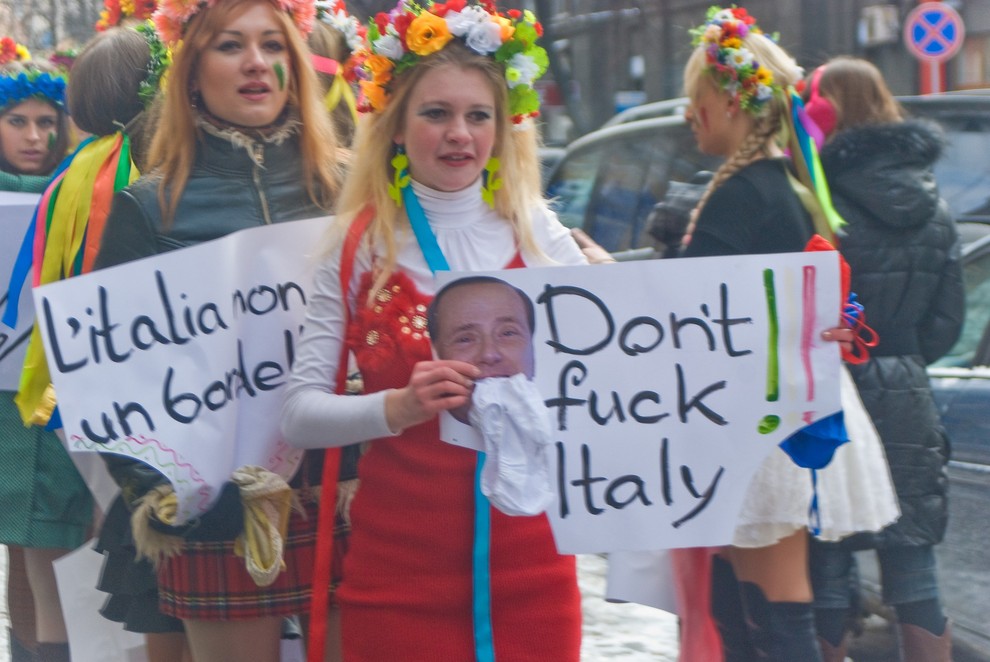
Italy: Berlusconi. The name of the Italian Prime Minister alone makes many women’s skin crawl but his disregard for women is even more disgusting. Droves of Italian women and men, upwards of 50,000, came out in February to protest the PM and his numerous sex scandals, including one with an underage girl. Groups of women around the world also protested in solidarity, including Paris, Tokyo, and FEMEN in Kiev.

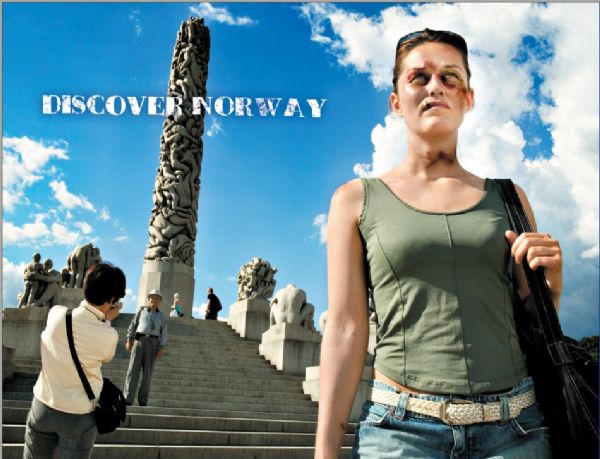
Norway: Domestic violence is Norway’s dirty little secret. Despite the UNDP’s continuous rating as the best country to live in, one in four women in Norway will experience domestic violence in her lifetime. This campaign tackles public awareness in a shocking way. Other groups in Norway protest military violence and discrimination against immigrants. This group encourages women to Be an activist! and provides training for women who want to participate in civil society.

Poland: Like Ireland, Poland’s moral conscience is lead by the patriarchal Catholic Church. Consequently abortion access is severely restricted but The Polish Federation for Women and Family Planning works to lighten restrictions. MANIFA is another group that has lead women and men in protests against discriminatory treatment of women in Poland, especially exploitation. The Polish Women’s Lobby also works for women’s equality. All of these groups, and indeed all Polish people, have the memory of Poland’s Solidarity movement icon Anna Walentynowicz to look up to.

Hungary: The Hungarian Women’s Lobby, in honor of Domestic Violence Awareness Day, rallied against domestic violence, in addition to fighting for women’s equality on a regular basis. Protests recently took place in New York City against the detention of Dr. Agnes Gereb, a Hungarian midwife. Other Hungarian women have protested against restrictive media laws.

Croatia: CROW e-zine is a Croatian publication working to advance women’s rights. Various organizations exist in Croatia to fight for LGBTQAI rights. If you can read Croatian, this page looks interesting and the Center for Education, Counseling and Research page is also available in Croatian.


And here’s a bonus picture of anti-Berlusconi protests in Paris.


Day 10- Women’s Activism in Asia

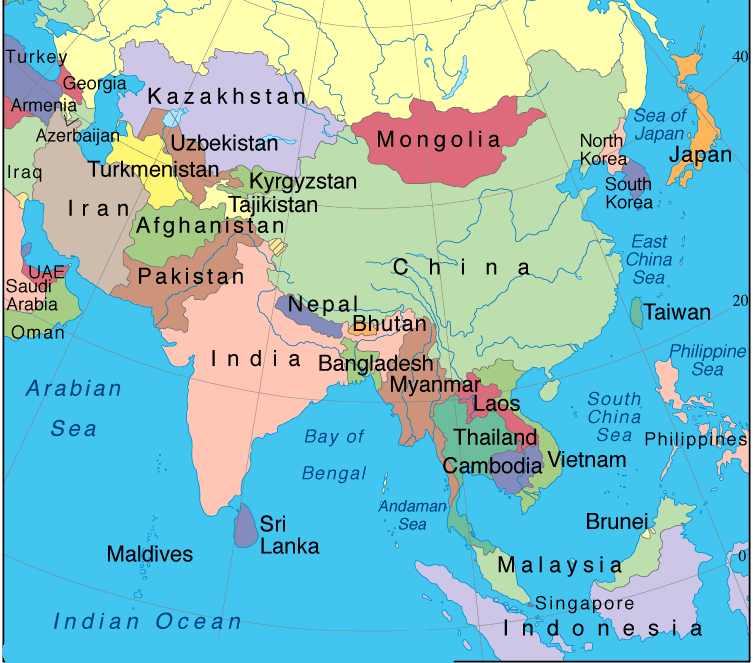
The Asian continent is the largest on the planet, home to 60% of the world’s population, it also comprises 60% of the world’s landmass. Consequently generalizations about Asian women could never be true for all of the women included in Asia’s population of 4,157,000,000. Turkey is the western border of the Asian continent and most Arab countries, including Saudi Arabia, Iraq, Iran, and Afghanistan are in Asia. Today we will look at women of countries more typically associated with “Far Eastern” culture, but also explore how women in Central Asian countries, especially countries of the former USSR, combat injustice as well.

American’s stereotypes about Asian American women are also shared with women who still live in Asia, consequently they are seen as silent, subservient and eager-to-please. The sampling of Asian women we will see today, and the organizations they run, are anything but.

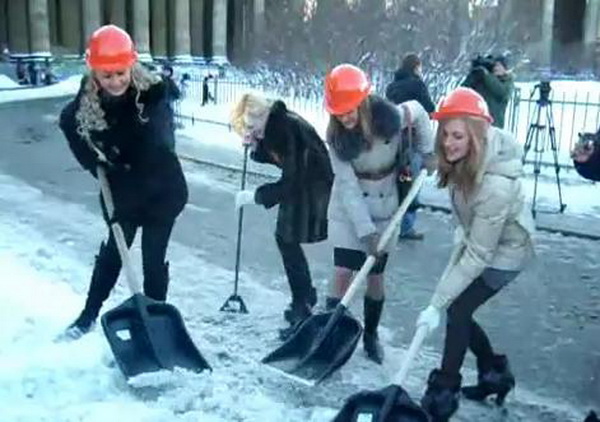
Russia: The denial of pay during maternity leave is one issue currently affecting women in Russia. Women’s rights activists in St. Petersburg have rallied to protest women being dismissed from their jobs if they become pregnant. Project Kesher is another group of women striving to bring religious and ethnic tolerance to Russian, Belarus and the Ukraine. In an unorthodox manner a group of Russian women who call themselves X-Z are bringing attention to social issues plaguing Russia, such as piles of snow the government refuses to remove.

Mongolia: Women in Ulaanbaatar are working to show that women’s rights are human rights and to create a national mechanism for protecting fundamental human rights. There is still much work to be done in Mongolia, especially to ensure LGBTQAI rights. The National Network of Mongolian Women’s NGOs, Monfemnet, tackles everything from youth participation in human rights, democracy and gender justice to exploring masculinities.

China: Grassroots women’s activists in China are combating judicial injustices and gender inequalities by fighting for human rights. One of the biggest issues facing Chinese women is Reproductive Justice. The punishment for violating the “one child” policy is a blatant denial of human rights. This page honors some of the women human rights defenders in China.

Japan: Women in Japan are under a different reproductive pressure from their government: the pressure to have more children. For those women who cannot have children or do not want to reproduce, the government and society’s pressure to do so is not only unfair, but painful. Because of the government’s position only three percent of women in Japan ages 16-49 use the birth control pill. The Feminist International Network of Resistance to Reproductive and Genetic Engineering, FINNRAGE, is one group that is fighting for women to be fully educated about their rights and their choices so that they can make informed decisions.

Indonesia: Women in Indonesia are also fighting their government for protection of their rights. The few laws that grant women’s rights, such as a 30 percent quota of women in elected offices, are not uniformly enforced. Women’s rights groups in Indonesia also state that those women who are elected are not doing their part to advance gender equality. Some women’s groups use the power of street theatre to demonstrate the dangers of childbirth and pollution, among other social issues. The rights of LGBTQAI people in Indonesia are also not guaranteed, but many women are searching for tolerance and equality within their personal studies of Islam.

Thailand: Women in Thailand are active in the country’s ever-changing political scene. Despite being warned by police to evacuate a space filled with protesters lest violence should occur, women supporting the Red Shirt party stayed to face their government. In a country where symbolism and the spiritual world are highly esteemed, women from the opposing group, the Yellow Shirt party, took on politics and social norms and used their bloody sanitary napkins to pull power from a protective statue. Thai women are also finding innovative ways to combat religious intolerance in various regions of the country. The women who are left as heads-of-household when their husbands and sons are arrested (for political or religious reasons) have become leaders in their communities. After a long day’s work feminist activists in Thailand can relax at a retreat built especially for them.

Bangladesh: The situation for women in Bangladesh is dire. Women are punished with beatings when they are raped. Women are punished with acid attacks when they say no to sexual advances. Women are punished when they go to the police, or seek medical help, or dare to complain. The deaths of women as a result of public flogging have been all over the news recently. Women are slowly making progress and some girls are being educated, but activists in Bangladesh also understand the importance of having male allies in the fight for equality. Bangladeshi women are also sharing their knowledge and lessons learned with the women of Haiti, by way of an all-female UN police force.

India: For centuries women in India have been participating in social activism. Currently, the group Pandies uses humor and theatre to showcase women’s issues. Recognizing the advances that have been made over time, women’s groups in India still push for further gender equality. Even though gains have been made, there are still many issues facing Indian women today, including child marriage, police brutality, and domestic violence.

Kyrgyzstan: Despite being the first Central Asian country to have a female president, (Roza Otunbayeva–one of this year’s recipients of the US’s Women of Courage Award), gender roles in Kyrgyzstan are still very rigid. In traditional Kyrgyz culture women must remain virgins until their wedding night and their sheets are displayed the next day as proof. Some women are combating this stigma by speaking out against it. Other problems arise when the marriages are not legally registered, and domestic violence rates in Kyrgyzstan are overwhelming. Bride kidnapping is another tradition the women of Kyrgyzstan are not proud of, and are trying to eradicate.

Uzbekistan: Uzbek human rights activist Mutabar Tajibaeva has returned her 2009 Women of Courage Award, in protest to Kyrgyzstan’s president receiving the same award this year. The activist says she has nothing against Otunbayeva personally but cannot, in good conscience, have her name listed with Kyrgyzstan’s president who failed to stop the massacres against ethnic Uzbeks in Kyrgyzstan last summer. Tajibaeva believes Otunbayeva is receiving the award only because she is the first female president of a Central Asian country, but stated that there are other Kyrgyz women more deserving of the honor. Some of the issues Uzbek human rights defenders focus on include unlawful detention of protesters by the government, and forced sterilization. Hundreds of women have been sterilized without their consent or knowledge in Uzbekistan, leaving many women fearful of doctors and hospitals.


Day 9- Women’s Activism in Africa

A composed satellite photograph of Africa.

Image via Wikipedia

North Africa has been in the news recently for its people’s uprisings. Algeria, Tunisia, Libya and Egypt are all currently in very precarious situations but the people of these nations, men and women, have shown that they want democracy and are willing to give their lives to earn it.

Sub-Saharan Africa is largely ignored by America unless the political events that occur will affect the US, such a high-profile oil spill in Nigeria which could raise gas prices in the States. The tragedies and travesties of the rapes in the Democratic Republic of the Congo, the upheaval in Sudan and its Darfur region, and the poverty and desperation in Somalia go largely unnoticed by American news outlets and the American people.

Today I’d like to give a sample of what women (and feminist men) are doing across the African continent to advance social justice and true equality.

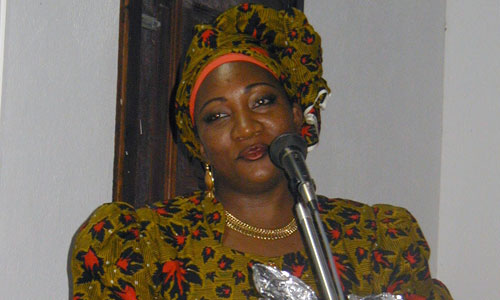
Liberia: The women of Liberia bravely stood up against dictator and war criminal Charles Taylor and helped bring about an end to their country’s brutal civil war in 2003. Their story was told in the 2008 documentary Pray the Devil Back to Hell. Subsequently Liberia elected Ellen Johnson Sirleaf, the first female head of state in Africa. An all women UN peacekeeping unit from India still provides inspiration for Liberian women and shows them that women can do or be anything they set their minds to. Today the women of Liberia are still working for peace in their region and in the world. These women are raising their voices for the women of neighboring Ivory Coast.

Cotê d’Ivoire: In honor of International Women’s Day, and to protest the killing of women protesting Laurent Gbagbo’s refusal to recognize the November 2010 elections, thousands of Ivorians marched yesterday in an event that left three men and one woman dead.

Nigeria: Last year at this time women in Nigeria were protesting a religious massacre. Last week (2 March 2011) Nigerian women found themselves protesting the presence of cattle herders on of their farm land. In February a small group of women protested the imposing of a female candidate into a federal position for which they elected a man. These women recognize that simply because a candidate is a woman does not necessarily mean she will represent women or fight for women’s rights.

Sudan: Women in Sudan, especially in the Darfur region, understand what it means to be completely ignored and have their rights denied. In the recent referendum however, women turned out in large numbers to show their support for the cessation of Southern Sudan. OftenSudanese women’s stories go untold, but small groups of women are slowly finding their voices and demanding justice. For the second time in two weeks a group of women staged protests against the government’s detention of protesters.

Ethiopia: One of my favorite feminists, native Ethiopian Billene Seyoum Woldeyes, is helping to bring gender equality to her motherland through her blog Ethiopian Feminist.

Kenya: Wangari Maathai is perhaps one of the most well-known women in the world. The 2004 winner of the Nobel Peace Prize for her work in the Greenbelt Movement, Maathai continues to improve the world around her both through her environmental activism and her women’s rights advocacy.

Uganda: One of Uganda’s favorite journalists, Rosebell Kagumire, covers stories and brings attention to everything from vote rigging to violence against women, both in Uganda and around Africa, in her blog.

Somalia: Women in Somalia suffer under some of the worst poverty in the world. Often left without a means to support themselves, many women-heads-of-household work all day and resort to begging to feed their families, often going hungry themselves. Despite this, Somali women make the time to protest the lack of women in parliament and push for higher quotas.

Democratic Republic of the Congo: Because of the efforts of the V-Day campaign the atrocities committed in the DRC have been given at least a little public attention in the US. The widespread use of rape in the DRC as a weapon of war has drawn the sharp criticism of the UN and organizations around the world, like Amnesty International. The women of the DRC have joined forces with these international organizations and demanded safety and dignity.

Mozambique: While Mozambique is making significant progress in gender issues, one of the most dire problems women there are fighting against today is climate change. Because of the feminization of poverty and the differential affects of climate change, rising sea levels and land degradation on women, the people of Mozambique have begun to pay attention to solutions that specifically address women’s relationship to the environment.

Namibia: Forced sterilization of women is not a new concept, but HIV+ women in Namibia who were sterilized without their knowledge or consent have demanded justice. Staging sit-ins with the slogan my body, my womb, my rights thousands of women have shown their support and raised their voices in solidarity with their HIV+ sisters.

South Africa: The shameful “rape capital of the world” (a title South Africa dubiously shares with the DRC) has come a long way since apartheid, but the country’s lesbians are constantly at great risk. So called “corrective rape” of lesbians in South Africa has reached epidemic proportions with police refusing to take complaints seriously, but women around the world have demanded an end to this inhumane practice.

To learn more about women’s roles and rights in Africa, visit Solidarity for African Women’s Rights, Human Rights Watch, All Africa, Women of Africa and the newly formed UN Women.


Day 8- Yalla! International Women’s Day

Yalla! has become the cry of the Arab world in the past few months. Raised by the powerful and eloquent voice of Mona Eltahawy, yalla calls on Arabs around the world to “hurry up” and make democracy happen.

Since December 17, when desperate Tunisian Mohamed Bouazizi set himself on fire, the willingness of Arabs everywhere to risk their lives in hopes of democracy has flourished. Tunisia, Egypt, Jordan, Yemen, Bahrain, (also in Bahrain) Algeria, Palestine, Iran, Iraq, and, of course, Libya, have shown the world the spectrum of people power.

Because of the success of the Egyptian Revolution and its high-profile nature there are many more sources of information regarding what happened, and what is happening there. For this reason, and to pay tribute to Mona (who in a single hour of class taught me more than most people ever have), today’s post for International Women’s Day will focus on the women of the Egyptian Revolution.

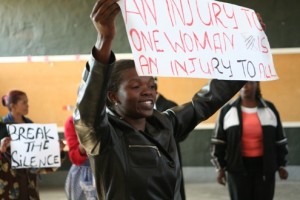
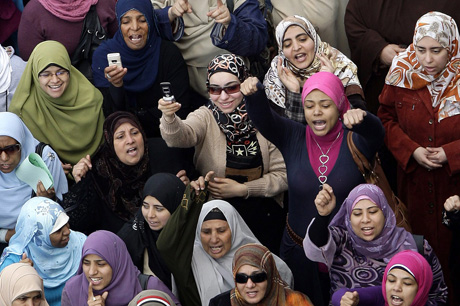
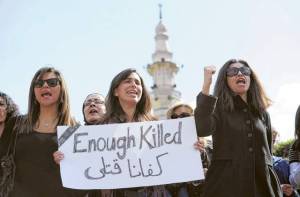
These photos showcase what an active role women have taken in demanding an end to Mubarak’s 30-year dictatorship and demanding equality for all Egyptians. From the beginning of revolutionary action international audiences questioned how involved Egyptian women were in the nonviolent actions and what their fate would be after the fall of Mubarak.

News reports of “chaos and unrest” quickly changed their language when Mona Eltahawy schooled CNN to “call it a revolution!” From then on the media have accurately labeled the events in Egypt an uprising of democracy.

Women’s experiences of the activism in Tahrir Square were unlike anything they had ever experienced, and until the brutal sexual assault on international journalist Lara Logan, women stated they were not being harassed and actually felt safer in the streets.

The brave Egyptian women (and soldiers) who rescued Logan are a testament to the courage and will of the women of Tahrir Square. Their actions, and the actions of the millions of women who took to the streets and engaged in strategic nonviolent action, have shattered the myths about complacent Arab women and paved the way for women of many other Arab nations to stand up for their rights.

Follow Egypt’s example: learn about strategic nonviolent conflict and stand up for your own rights!

P.S. In honor of International Women’s Day the Feminist Majority Foundation is hosting a FREE 1 hour webinar on International Family Planning at 1900EST. Go here to register.


Day 7- Waves of the Women’s Movement in the US

Feminist suffrage parade in New York City, May...

Image via Wikipedia

First Wave: The first major organized women’s resistance to sexism and patriarchy in the US sprung out of the abolitionist movement. White women who opposed the institution of slavery soon realized that they were also suffering inequalities under the racist, sexist, classist system of government in the United States. The defining moment of the First Wave was passage of the 19th Amendment to the US Constitution in 1920 that gave women the right to vote. The victory of the 19th Amendment came after decades of hard work and struggle, including educating the public with writings by and about (upper-class) women’s status, marches, protests, fasting, and intentional arrest and imprisonment. Unfortunately, the women (and men) who had been working so hard for women’s suffrage in this time could not sustain the momentum of social change, and thus, the next “wave” of the women’s movement would not come for another 40 years.

Lucretia Mott, Elizabeth Cady Stanton, Lucy Stone, Susan B. Anthony, Sarah Grimké, Angelina Grimké, Carrie Chapman Catt, Alice Paul, Victoria Woodhull, Sojourner Truth, Matilda Joslyn Gage, Ida B. Wells, Margaret Sanger, and Lucy Burns, among thousands of other women whom history has forgotten, forever changed the way Americans viewed women’s participation in politics and the “public” sphere.

Second Wave: The Women’s Liberation Movement, or Second Wave of Feminism, came about in a tumultuous time for American history. Women in the US had been on a roller coaster of freedoms and limitations since the First Wave had crashed: the Roaring ’20s brought, for the first time, women’s votes into play, and the advent of jazz culture and the flapper allowed women unprecedented freedoms in appearance and behavior; the Great Depression of the 1930s following the Stock Market Crash was a poignant example of how the feminization of poverty works;WWII in the 1940s brought white women into the workforce like never before; the baby booming 1950s saw that women returned to the domestic sphere to try to achieve the June Cleaver ideal that society demanded; and the 1960s kicked off the Second Wave with the oral contraceptive pill made available in 1961 and Betty Friedan’s surprising (albeit racist) critique of women’s roles in 1963 with The Feminine Mystique.

During the 1960s and 1970s organizations were formed that changed the way women viewed themselves and each other but the major victories of the Second Wave came in the form of legislation designed to give women more equal opportunities on par with men, and gave women (at least on paper) autonomy over their own bodies. JFK’s Commission on the Status of Women, the Equal Pay Act, the Civil Rights Act of 1964, the Equal Employment Opportunity Commission, Griswold v. Connecticut, Eisenstadt v. Baird, Title IX, the passage of WIC in 1972, Roe v. Wade, the 1974 Equal Credit Opportunity Act, the 1974 election of Elaine Noble in Massachusetts as the first openly gay person to serve on a state legislature; Taylor v. Louisiana, Nebraska passing in 1976 the first law against marital rape, and the 1978 Pregnancy Discrimination Act are just some of the important legal battles won for women’s equality during the Second Wave.

Important individual or non-legal milestones include 50,000 women participating in Women Strike for Peace in 1961, “Sex and Caste” written by Casey Hayden and Mary King in 1965, the National Organization for Women forming in 1966, the 1968 protest of the Miss America Pageant (which incorrectly coined the phrase “bra-burners”), The National Abortion Rights Action League (NARAL) forming in 1968, Our Bodies, Ourselves published in 1970, the August 26 1970 Women’s Strike for Equality, Gloria Steinem‘s 1972 founding of Ms. magazine and the National Women’s Political Caucus and the opening of the first battered women’s shelter. Sadly the consumerism of the 1980s lead many to believe that feminism was “dead” and no longer necessary. This, combined with the loss of hope after the failure of the US to ratify the Equal Rights Amendment, caused the Second Wave to slowly trickled away.

Third Wave: The relatively few women who were still fighting the good fight in the 1980s became the backbone of the Third Wave. Recognizing that the views presented previously were overwhelmingly homogenous and exclusionary, women of color feminism, womanism and other more inclusive and worldly views of in/equality came to the forefront. Women of color who felt marginalized during the Second Wave began to demand their voices be heard and their opinions valued: Gloria Anzaldua, bell hooks, Audre Lord, Beverly Smith, Barbara Smith, and Cherríe Moraga, to name very few.

The Third Wave is an ongoing process which I am proud to be a part of. The discussion of feminisms can be contentious but for me the simple definition is one who believes in the equality of all people, while recognizing that until and unless (all) women are equal to men, justice cannot be achieved. It is also necessary, however, to fight against racism, ableism, classism, homophobia, ageism, environmental degradation, militarization, and animal abuse. I fully believe in the power of strategic nonviolent action (SNVA) to bring about social justice and equality.

What You can do to Advance Equality:

1) VOTE! Women did not work their asses off for decades so you could forget to make your voice heard on election day.
2) Educate yourself–about the women who made the freedoms you enjoy possible, about your national/ethnic ancestors and their ancient views of women, about the laws that affect your rights as an individual, about strategic nonviolent action, and about anything and everything else!
3) Educate those around you: Tell anyone who will listen what matters to you, what needs to change, and how they can help.
4) Get together: There is power in numbers and “Never doubt that a small group of thoughtful, committed citizens can change the world. Indeed, it’s the only thing that ever has.”- Margaret Mead
5) USE STRATEGIC NONVIOLENT ACTION!

Tomorrow’s entry for International Women’s Day(!) will kick off a week of discussion of women’s use of SNVA around the world while focusing on the women of the recent Arab revolutions.