Category Archives: Violence Against Women

Day 29- Environmental Activism

Most rational people understand and accept that humanity’s actions have severely negatively impacted the environment, and yet most people do little or nothing to change their personal impact on the environment. I too am guilty of not always recycling, throwing batteries in the trash, (which I excuse-away in my mind as understandable because I live in a country where I do not speak the language and thus cannot seek proper channels for disposal), leaving my computer on and plugged in for days at a time, lounging in the shower, using synthetic petro-chemical products, and generally being wasteful. That I am not perfect in my own personal protection and defense of the environment does not lessen my commitment to making the world a better place, both figuratively and literally. Bad behaviors are not generally changed overnight, and so, I forgive myself if I have a lapse in judgement or memory and wound the planet, but I still consider myself an ecofeminist.

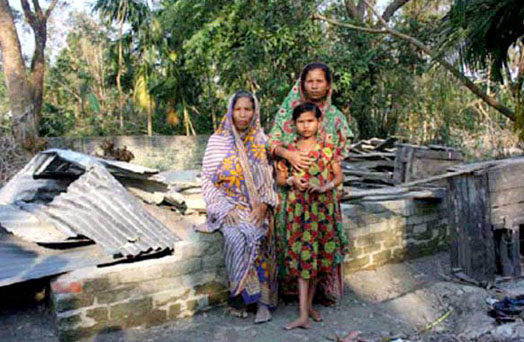
Not all women who participate in activism on behalf of the environment identify as ecofeminists, or even feminists in general. The link between the subjugation and exploitation of women and the subjugation and exploitation of the natural environment is the backbone of the ecofeminist discourse. Many women who participate in environmental organizations or movements do so as a result of the negative health impacts environmental degradation has had on them, their homes or someone they love. For years reports have surface that women (indigenous women especially) are and continue to be more severely affected by climate change, pollution, deforestation, increased food costs which can result in women resorting to prostitution or families selling their daughters, and other aspects of environmental concern because of social inequalities already present before environmental problems surface, but they are also taking the initiative to educate themselves and empower those around them.

Women are disproportionately represented in environmental organizations: they are often a majority of grassroots/local members and activists but are very few officers or leaders of major organizations. Often women, and the specific effects of environmental degradation on them, are specifically (if not intentionally) left out of papers, conferences and legislation surrounding environmental issues. Increasingly (and alarmingly) environmental organizations that are committed to nonviolent tactics, such as gluing themselves to the offices of companies they are protesting, are falsely linked to militaristic environmental groups that shamefully use terrorist tactics to try and overcome the system–more on why that will never work in a later post. The women in these peaceful groups are at an increased risk of violence if other members think the use of violence is an acceptable way to get what one wants, and are often under attack from corporations, police and non-activist citizens who feel threatened by the truth being spoken.

Internationally, Wangari Maathai, the first African woman and the first environmentalist to earn the Nobel Peace Prize, is a shining example of the potential for leadership and positive change in the environmentalist movements. Vandana Shiva is another “world-renowned environmental activist” who shows that women can be extremely capable leaders, especially when they are so personally impacted by the issue at hand. Many women are discovering the power of blogs and writing to share their ideas and concerns about the environment, like this woman. Also, see this list for information about some of today’s leading Jewish environmental activist women.

The link between family planning and climate change is a hot issue for many feminists, including the women of color RJ group SisterSong, because attempts to control women’s fertility and take away their right to bodily autonomy have been “justified” whenever anything needs protecting (like a specific gene pool, for example). This article Collective_Voices_Vol4_Issue9 shows why trying to limit women’s fertility will not be the answer to climate change. Please do not misunderstand: I fully support all women having accurate information about and access to all kinds of birth control so that they can make their own fully-informed decisions. What I do not approve of is anyone imposing their views of what is right, or moral, or healthy or “best” on someone else.

Women are often assumed to be more “in-tune” with nature because of menstruation, or because the femininely-linked intuition and emotion are seen as more basic human traits than the masculinely-linked logic and reason. (Even big-name politicians fall prey to these assumptions!) These assumptions merely feed into the social constructions of gender roles in any given society, which are often responsible for the impact environmental issues disproportionately have on women in the first place, creating a vicious cycle.
If you would like to become more involved in environmental issues there are many, many areas of concern. A quick google search for organizations in your area will be a good start. Women are effective and capable leaders and members of environmental activist organizations not because they (more than men) have some innate connection to Mother Earth but because they are effective and capable people.

Attention: If you happen to be in Denton, Texas today head up to the University of North Texas this evening for a discussion of environmentalism and social justice from one of the founders of Code Pink, Diane Wilson.


Day 26- RAISE Initiative

Yesterday’s discussion centered on Reproductive Justice (RJ) and SisterSong, a US-based women of color collective working for RJ. Today’s post features an organization that understands the need for reproductive justice to be at the forefront of everyone’s minds all the time, even in times of crisis and emergency.

The RAISE Initiative-Reproductive Health Access, Information and Services in Emergencies-aims to improve the quality of life of those affected by natural or human-made disasters. Oftentimes, and especially in the wake of a major catastrophe, reproductive health (RH) is overlooked or seen as an unnecessary or secondary concern of governments and NGOs working to help people recover from a disaster.

Numerous case studies have shown that when water, food and shelter are the only concerns of organizations seeking to “help” survivors, harm inevitably comes to the groups with the highest pre-disaster risk factors for vulnerability: basically anyone who is not able-bodied, adult-but-not-elderly, and male. Consider that the number of boy and girl children, adult women, disabled or ill adult men, and elderly men and women combined is considerably higher than the number of healthy, nondisabled men ages 18-55; with this fact in mind it is absurd that what is “normal” and necessary for survival is based on what that minority of the population may need.

Women are at least half of any population, (although, because of socially-constructed gender roles and a lack of survival skills women may have been disproportionately killed in any disaster) and their needs should be taken into consideration when providing any services to an affected population. Women’s needs may include sanitary pads, extra-nutrition if they are pregnant or breastfeeding, well-planned and secure shelter, soap, and birth control. Many people mistakenly believe that life stops for survivors in post-disaster camps, but babies are born and love is made, even in the shadow of chaos.

Much has been written about the opportunity that arises in the wake of a disaster to weaken patriarchy and reinforce gender equality and yet the same mistakes are made over and over again, from Haiti to Pakistan to Japan.

RAISE, which has offices in New York, London, Brussels and Nairobi,  recognizes the vital role in overall health that reproductive health plays, and understands that these needs in an emergency setting are even more pressing. “Access to reproductive health care is a basic human right. Yet integrated and fully comprehensive reproductive health services are not the norm in most emergency settings. People are displaced from their homes for many reasons, and an overwhelming number of preventable deaths and illnesses related to reproductive health affect populations in crisis.”

RAISE, as far as I know, is one of the only organizations of its kind. I know very little about the Reproductive Health Response in Crisis Consortium, or the Women’s Refugee Commission. If you know of other organizations that specifically address the reproductive health needs of populations affected by disaster please share them in the comments section. RAISE is unique in its approach, and addresses RH through technical support to partner organizations, clinical training, advocacy, research, and documentation and dissemination of information.

Additionally, RAISE offers resources for advocacy, up-to-date news articles about reproductive health issues, and a large multimedia library with information about sexual and reproductive health in numerous contexts.

“By promoting awareness of the full range of reproductive health (RH) challenges in refugee and internally displaced person (IDP) situations and the consequences of inaction, RAISE Initiative staff and advocacy partners work to mobilise key humanitarian actors – UN agencies, international bodies, donor governments and host countries – to include RH as an integral part of their humanitarian response and action.”

RAISE works on long-term projects in a number of places, including Colombia, two projects in the Democratic Republic of Congo, Southern Sudan, the Thai-Burmese border, and Uganda. RAISE offers a number of services such as comprehensive reproductive health care, emergency obstetric care, family planning, testing and information for HIV and STIs, and assistance in bringing about an end to gender-based violence.

If you would like to help make RH a priority in both emergency and everyday situations, there are many ways to contribute to or participate in the RAISE Initiative. RAISE offers clinical training in emergency obstetrical care, post-abortion care, and family planning, in addition to offering a multimedia training tool for clinical care for sexual assault survivors. You can also subscribe to their email list for regular RAISE updates and a weekly literature review.


Day 24- Killing Us Softly

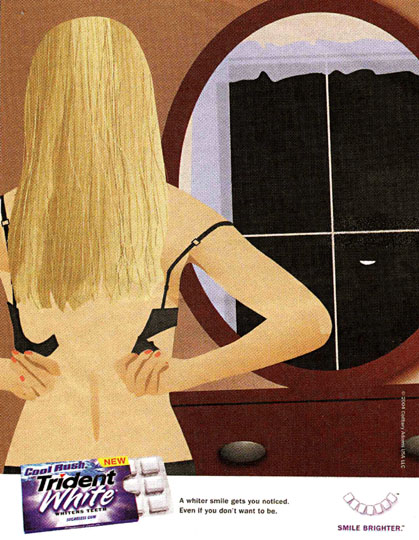
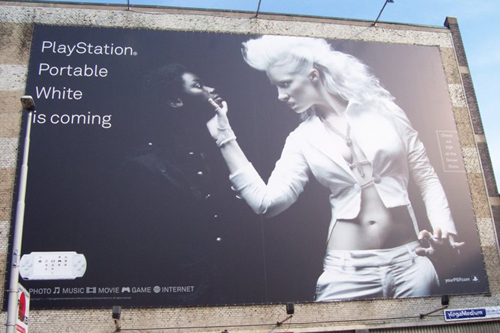
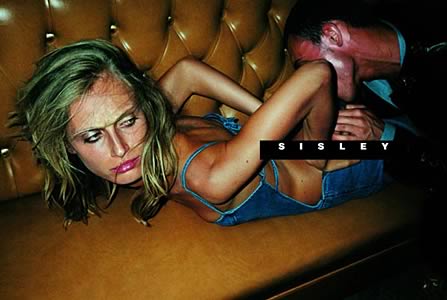
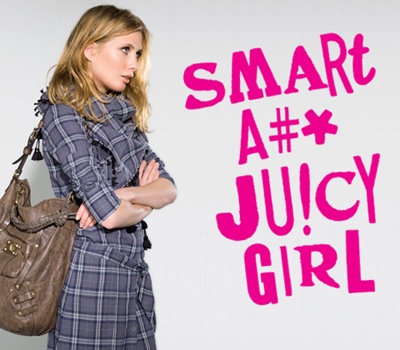
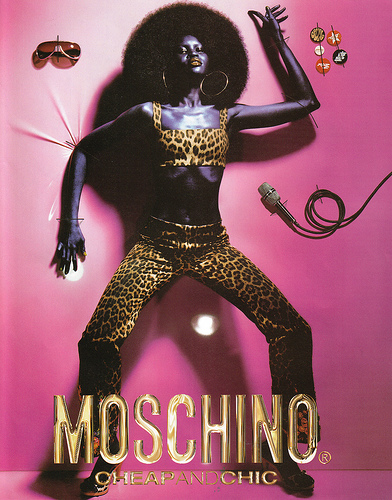
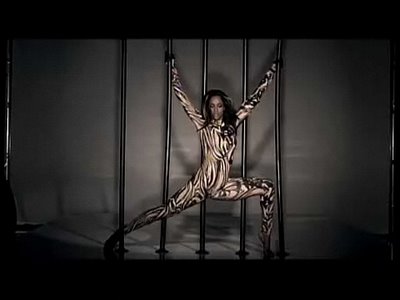
Violence against women comes in numerous forms and many feminists in modern America (including me) are of the belief that the media and advertising are detrimental to gender equality because sexism is used to sell everything. Now, I know there are a lot of groups in the US fighting against sexist and racist advertising in the media (like Ms. Magazine, About Face and SisterSong to name a couple) but today’s post is going to focus on the four installments of Jean Kilbourne’s documentaries Killing Us Softly and will feature some of the most offensive ads I’ve been able to find on the internet. Your submissions are welcome.

The original documentary was produced in 1979 when Jean Kilbourne got disgusted by the images she and all other Americans were constantly being fed. Obviously these two first ads are more vintage. The second installment, Still Killing Us Softly, was produced in 1987, Killing Us Softly 3 in 2000 and the newest film, Killing Us Softly 4 just last year, in 2010. Sadly, what this trend shows is that not much has changed in advertising in the past 30 years. Overt sexism declaring that women are stupid and belong in the home has given way to sex being used to sell everything from bodywash to beer.

Each and every one of these films should be required viewing for anyone in women’s studies programs (where they often are), sociology programs (where they probably aren’t), and advertising classes (where they definitely aren’t). And they are each only about 30 minutes long, so don’t waste 2 hours of your life watching a crappy Hollywood produced blockbuster, instead, grab your favorite snack and your favorite person to bitch to, and sit down for some eye-opening, and frustrating, entertainment. Jean Kilbourne handles each presentation with humor and warmth which helps diffuse the tension of the impact these destructive ads have on women’s views of themselves and men’s views of women.

The history of these films chronicles the intrenched way advertisers and the “beauty” industry deliberately encourage women’s insecurities so that they can offer up products to improve whatever perceived flaw women have. Kilbourne examines myriad issues concerning the images of women in advertising, including sexualization of girl children, violence against women, dehumanizing of women of color, promotion of eating disorders and plastic surgery, encouraging women to be submissive and childlike, and the literal objectification of women’s bodies. Newer advertisements promote an unhealthy beauty ideal for all women and erroneously teach that women can only be attractive if they are young, thin, white, able-bodied, big breasted and submissively sexy.

Here are a few other ads I find disgusting.

Promoting violence against women:

Sexualization of children:


Infantilizing adult women:

Promoting homophobia and transphobia:

Animalizing women of color:

And objectifying women and girls:


Day 23- Activism Surrounding the Prison System

I have to admit that I am somewhat ambivalent about the death penalty and I welcome any and all arguments for or against it as long as you are civil to each other. Also, most information I have regarding prisons is US-based so any information about prisons from other countries is welcomed, too.

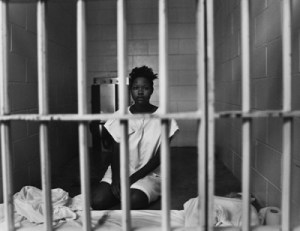
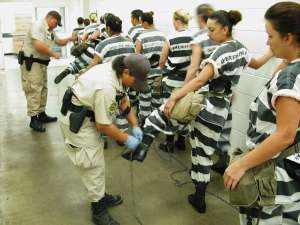
In the United States, the country with the highest documented incarcerations in the world, there are many organizations that are working to reform the prison system as well as some that advocate the abolition of the prison system because of the horrendous conditions prisoners face including rape, injury, illness and even death.

The racism behind the prison system in the US is blatant and damaging to every aspect of society as shown by the Prison Policy Initiative. This list of political prisoners compiled by The Prison Activist Resource Center shows the severity of the impact of racism on minorities in America– roughly 70% of inmates are not white while minorities only make up 35% of the total US population. According to the U.S. Justice Bureau 1 of every 32 adults in the US is either incarcerated (in prison or jail), on parole, or on probation. This number does not include the more than 90,000 children held in juvenile facilities.

Nearly 93% of inmates are male but despite blacks making up only 12.4% of the total population, black men outnumber white men in prison 6 to 1, and most people who are incarcerated have not been convicted of violent crimes. The November Coalition is one organization fighting for the reform of drug policy in the US. The rape of prisoners is one of the biggest concerns of human rights groups such as Los Angeles-based Just Detention International, while such reputable organizations as Human Rights Watch also address the conditions under which prisoners are held, reforming drug policy, and class issues as they relate to inmates. The issues surrounding the use of solitary confinement in prison were outlined in Law & Order: SVU (Season 11, Episode 3). Prisoners of the Census is another organization that fights the immoral gerrymandering of political districts based upon census figures that count prisoners where they are incarcerated rather than where they are from.

HIV+ inmates make up at least 1.7% of the incarcerated population and face specific challenges and discrimination within the prison industrial complex, including an infection rate of 5-10 times that of unincarcerated people, but some groups do exist within prisons to help prevent the spread of HIV and offer support to those who are HIV+ such as ACE (AIDS Counseling and Education) at the maximum security women’s prison Bedford Hills in New York. Here is a brief history of the fight against the spread of HIV and AIDS within the prison system. LGBTQAI (especially male-to-female transgender) inmates are almost certain to face violence, and rape, while imprisoned. This long piece explores the history of “Queer Encounters in Gay and Lesbian Prison Activism.”

The US drug policy “has become a war on women,” and a staggering 58% of women inmates were victims of violence before being incarcerated. Women in prison face challenges their male counterparts do not, but often their experience is invisible. From these statistics we learn that 60-67% of female prisoners are black or Hispanic in the US, while only 24% of the total US population is black or Hispanic; women are 33% more likely to be incarcerated on drug charges than men; 64% of women enter prison without having graduated high school and women in prison are 12 times more likely to be HIV+.

The health and well being of women is not one of the US government’s priorities, neither are eradicating racism, ending poverty or improving education, therefore it is clear that women in prison may constitute the most vulnerable group in American society as the isms of patriarchy are suffocatingly piled on them.

Jailing pregnant women has recently gotten much press with many women being shackled during childbirth. The Rebecca Project for Human Rights’s Anti-Shackling Coalition has been very vocal in its opposition to this inhumane treatment. The Prison Doula Project is another group working to improve conditions for pregnant inmates. Pregnant women are not only being sent to prison for violating real laws, but are also subject to “pro-life” sheriffs and judges locking them up for potentially breaking laws.

Other activism for women’s rights in prison includes The Advocacy Project which “believes that incarcerating women is an inappropriate and ineffective response to profound social problems such as poverty, racism, childhood sexual abuse, and mental illness,” The California Coalition for Women Prisoners, and the amazing, highly-recommended Women + Prison which also takes on the issue of incarcerating women who use violence against their abusers. All of these inspiring organizations utilize a feminist perspective in their activism. The International V-Day Movement also raises awareness of issues specific to women in prison with productions of the play Any One of Us: Words From Prison and screenings of the film What I Want My Words To Do To You.

In related news, the death of a prominent prison rights advocate in Greece caused an uprising in women’s prisons there. For just a few poignant references to the prison system in pop culture listen to “Folsom Prison Blues” by Johnny Cash, “Locked Up” by Akon, and especially “Prison Song” by System of a Down. If anyone knows any good songs in this light by female artists I would much appreciate a heads-up. To support prison reform (or abolition) and fight for human rights check out any of the organizations mentioned above and consider volunteering, donating, writing to your representative, or even just educating yourself (and those around you) more about this normally-hidden issue.


Day 22- Equality Now

Over the past week we’ve had discussions about violence against women and a few of the many organizations that work to eradicate VAW by using strategic nonviolent action techniques. The second week of March was a look into what women in different parts of the world are doing to overcome injustice in their own countries. And the first week of March we delved into what women of different races have done and are doing in the US to work towards gender equality.

The rest of the month of March will be a hodgepodge of activism, with no particular theme, other than take action. We will learn about women’s use of SNVA within the disability movement, sexual minority strategic actions, organizations that fight for reproductive justice and much more. Any ideas, suggestions, advice, links, comments or information would be more than welcome.

Today we will focus on the incredible work of Equality Now. Equality Now may be the first encounter I ever had with a women’s rights organization and organized feminism. I was in junior high and someone from EN was featured on Oprah and was talking about Female Genital Mutilation (FGM). From then on I was determined that no one should suffer abuse just because she is female.

Equality Now is available in English, French, Spanish and Arabic. This organization combats many forms of gender discrimination and gender-based violence, including FGM, human trafficking, rape, domestic violence, political participation and reproductive rights.

Started in 1992, “Equality Now documents violence and discrimination against women and mobilizes international action to support their efforts to stop these human rights abuses.” They have organizations in New York, Nairobi and London. There is an open position at the NY office for a bookkeeper and they also have internships at each of their locations.

The Women’s Action Network of Equality Now is how individuals and international organizations are mobilized in support of or in opposition to a specific issue. Here is a long list of the current actions supported by Equality Now. They include letter-writing campaigns to end FGM in Tanzania, and to end the femicides in Ciudad Juarez, among many other actions.

Equality Now also organizes political campaigns such as a benefit to combat human trafficking and sex tourism, and they publish Awaken which raises awareness and acts as a forum for strategies to combat FGM. They are also active in using UN mechanisms to urge governments to change their policies that are discriminatory towards women, and they support the Lawyer’s Alliance for Women Project which promotes individuals’ use of the law to combat injustice. Here is a list past events Equality Now has held, including a film screening of Fatal Promises and a panel discussion with the authors of Half the Sky. EN is supported by such celebrities as Meryl Streep.

There are many ways to support Equality Now and its work, including joining the WAN, taking actions and making donations. Equality Now also offers a list of creative ideas for ways to fight injustice. EN offers a number of items for sale featuring their super sexy logo and you can spread the word about their work by becoming a Facebook fan.


Day 21- Violence Against Women in the US

Whether it comes in the form of emotional, financial, physical, or sexual abuse, a significant portion of women in the United States face violence everyday. Violence, and the fight against it, may be the one unifying factor women across all sectors have in common other than their sex. Race, class, age, sexuality, gender identity, and ability all affect the type of violence women experience but none of these factors protect women from violence.

“Violence in the name of power, conquest, dominance, and submission are the cornerstones of”[1] the hierarchy of patriarchy in the U.S. Perhaps the most disturbing fact about violence against women in the United States is that most women are hurt by someone known to them, and the most dangerous place for women is a private home.

Luckily, help is available for victims of violence. “On September 15, 2009, 1,648 out of 1,980, or 83%, of identified local domestic violence programs in the United States and territories participated in the 2009 National Census of Domestic Violence Services,” conducted annually by the National Network to End Domestic Violence (NNEDV).[2]

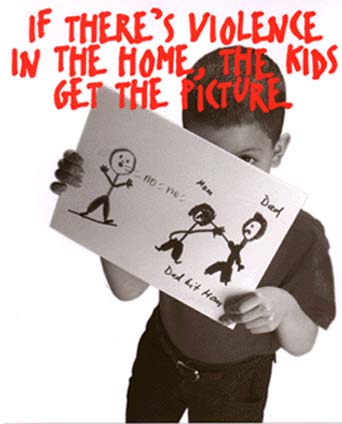
This survey[3] found that 65,321 victims, (41,097 adults and 24,224 children) were served and 9,280 needs were unmet due to lack of resources and/or funding in one day. On that day four women were killed by their intimate partners and seven children were killed by their fathers.

Although the survey did not take into account how many men or women were served or what age group victims generally fell in–confidentiality issues can take precedence over sex- and age-disaggregated data–one in nine men and one in four women will be victims of domestic violence at some point in their lives.[4] Sixty per cent of unmet requests “were from victims seeking emergency shelter or transitional housing.” Insufficient funding for needed programs and services was cited by 40 percent of program respondents as a reason they were unable to provide services while “limited funding for translators, bilingual staff, or accessible equipment,” was cited by 11 percent of programs. In Texas alone, with 87% of shelters reporting, 2,988 adults and 2,443 children were served while 784 requests for services were unmet.[5]

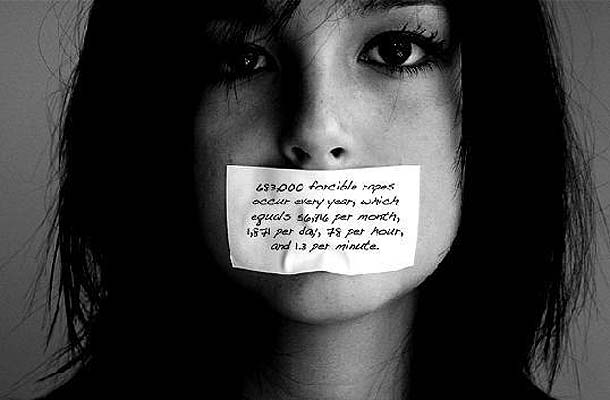
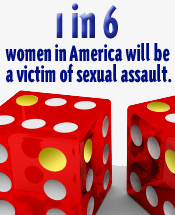
Figures for the most underreported violent crimes–sexual assault and rape–are equally disturbing. The Rape, Abuse & Incest National Network (RAINN) estimates that one of every six women in the United States will be a victim of sexual assault in her lifetime.[6] Sixty percent of these crimes are not reported to the police. Domestic violence is also underreported.

“Language barriers, distrust of authorities, and fears of the legal system can deter reporting. Many immigrant women are reluctant to report domestic violence to authorities out of fear that they would be deported. Non-English speakers, migrant workers, or victims with disabilities may face specific obstacles in reporting….

“Traditional expectations in some cultures that demand silent subservience of women make it harder for battered women to report the abuse and deprive those women of community support. In traditional Navajo culture, for example, ‘peacemakers’ who informally adjudicate claims of battering may try to restore harmony by encouraging women to remain in abusive relationships.

“Lesbians and gay men may be reluctant to report intimate violence to avoid disclosing their sexual orientation, or they may fear police hostility. If gay men or lesbians use physical force to defend themselves from their battering partners, police may assume that two men wrestling is a ‘fair fight’ or think that two women struggling is a catfight or quarrel. If lesbians who are battered by their partner seek refuge at a shelter, their partners, who are also women, can gain access to them.”[7]

The result of underreporting and a judicial system entrenched in patriarchy is that on average three women are killed every day by an intimate partner[8] and only about six percent of rapists ever spend a day in jail.[9]

“Women are still being criticized for what they were wearing at the time of the rape and where they were when it occurred, and questioned why they were there in the first place–all of which would be unthinkable if the crime was, say, a mugging. As law professor Taunya Lovell Banks says, ‘No one ever questions if a person consents to other types of assault. Nonsexual victims don’t have to say “I didn’t consent to be hit with that crowbar.”‘”[10]

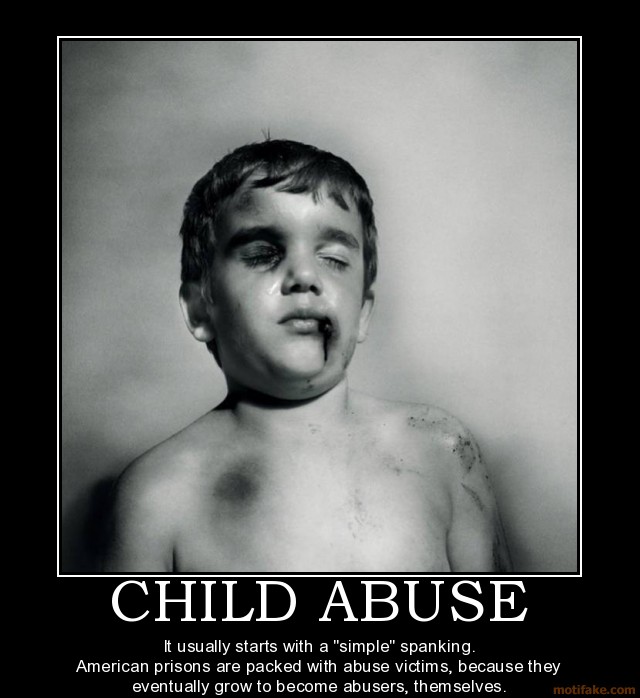
In 2008 the Federal Bureau of Investigation reports that 89,000 “forcible rapes” took place[11] while only 22,584 arrests were made for “forcible rape.”[12] The Center for Disease Control found that in 2007 sexual assault was the leading cause of nonfatal violence-related injuries for females age one to nine years old, while for all other age groups of females, including those younger than one year old, “other assault, struck by/against” was the leading cause of injury. Much of the physical violence in the report can be attributed to domestic violence and child abuse.

Sexual assault was the second most frequent cause of nonfatal violence-related injury for females under one year of age and those aged 10-14. It was also the number three ranking cause of injury overall and for women ages 15-34.[13] Citing the U.S. Department of Justice and the National Institute of Justice & Centers for Disease Control and Prevention, RAINN found that 90 percent of rape victims are female, and while white people make up 80 percent of all sexual assault victims, minorities are more likely to be attacked.

The lifetime rate of rape or attempted rate is highest for Native American women, at 34.1 percent. In America 24.4 percent of mixed raced women, 18.8 percent of black women, 17.7 percent of white women and six-point-eight percent of Asian women will be victims of sexual assault. Also, 80 percent of sexual assault and rape victims are under age 30 while a staggering 15 percent of sexual assault and rape victims are under age 12, and girls 16-19 are four “times more likely than the general population to be victims of rape, attempted rape or sexual assault.”[14]

Violence and abuse towards children is rampant in the U.S. but is even more common towards disabled people and is compounded by other identity factors. “‘Special ed’ classrooms have been, and still are in some school districts, a dumping ground for poor kids, kids of color, particularly those who don’t speak English, and kids with a variety of disabilities, all of whom learn more slowly or differently than kids in ‘regular’ classrooms.”

Thus, while most children, like most adult victims of sexual assault or familial violence, keep quiet, disabled children and adults are even more likely not to report abuse. Abuse has become institutionalized as “women still are being abused in some mental hospitals. In some cases, other patients and hospital staff have abused the women, and no one believes them because they are labeled mentally ill.”[15] One woman explains why disabled people are chosen as targets of abuse:

“There are the ones who are chosen because they cannot speak of the horror. There are the ones who are chosen because they cannot run away, and there is nowhere to run. There are the ones who are chosen because their very lives depend on not fighting back. There are the ones who are chosen because there is no one for them to tell. There are the ones who are chosen because no one has even taught them the words. There are the ones who are chosen because society chooses to believe that, after all, they don’t really have any sexuality, so it can’t hurt them.”[16]

Disabled people, especially those with mental illness or developmental disabilities, are often seen as being unaware of their surroundings and therefore treated as subhuman, creating an environment in which abuse against them is more normalized. One author found that “abuse is the rule, rather than the exception, in the experience of disabled people.”[17]

Forced sterilization and sadistic medical experiments still take place on individuals with developmental disabilities.[18] Other groups that have battled for their right to bodily integrity and against forced sterilization include Native American and Latina women and women in the prison system, especially drug addicts. Native American boarding schools, the prison system, and retirement homes are also infamous for their high rates of institutionalized violence. Elder abuse is one more example of violence that often goes unreported due to fear and unpunished due to lack of concern.

Fortunately, numerous avenues have opened up to fight sexual and domestic violence in the past 40 years, largely thanks to the women’s movement of the 1970s. From recognition of the existence of marital rape to the passage of the Violence Against Women Act (VAWA) in 1994, 2000, and 2005, women who are victims of violence now have more recourse to seek justice. There are also a considerable number of programs aimed at raising awareness of and preventing violence against women.

In addition to RAINN and NNEDV, Take Back the Night,[19] The Vagina Monologues/V-Day Movement,[20] The National Domestic Violence Hotline,[21] The National Sexual Assault Hotline,[22] and INCITE! Women of Color Against Violence[23]–co-founded by Cherokee activist Andrea Smith, are all non-governmental organizations whose work fights to prevent violence and help those who have suffered recover.

The United States government has also joined in the fight; in addition to VAWA, the federal government also operates the Office on Violence Against Women under the Department of Justice,[24] and includes resources for victims of violence through the Office of Women’s Health under the Department of Health & Human Services.[25]

Also, every state and U.S. territory has at least one organization dedicated to victims of violence, most of which provide shelter services in emergencies. Alaska, Idaho, Kansas, Michigan, Missouri, Montana, Nebraska, North Dakota, Oklahoma, Oregon, South Carolina, Tennessee, Vermont, the Virgin Islands, Virginia, and Wyoming all have one statewide organization that addresses the needs of victims of sexual and domestic violence. All other states and Washington, D.C., Puerto Rico, and Guam have at least one organization to address domestic violence and one to address sexual assault and rape.[26][27]

Many large cities throughout the U.S. also have local shelters and organizations to deal with high rates of violence. The presence of so many organizations working to prevent violence against women has helped; the annual number of reported rapes, sexual assaults, incidents of domestic violence, and intimate partner homicide have all fallen in the past 20 years, but, there is still much work to be done before patriarchy stops using violence to try to control women.


[1] Rowland, Debran. 2004. The Boundaries of Her Body: The Troubling History of Women’s Rights in America. Sphinx Publishing: Naperville, IL.g

[2] National Network to End Domestic Violence. 2009. “Domestic Violence Counts 2009: A 24-Hour Census of Domestic Violence Shelters and Services.” NNEDV: Washington, D.C.

Click to access DVCounts09_Report_BW.pdf

[3] See the full 2009 report in Appendix 4.

[4] The National Domestic Violence Hotline. “Get Educated.” 12 June 2010. http://www.ndvh.org/get-educated/abuse-in-america/

[5] National Network to End Domestic Violence, 2009.

[6] Rape, Abuse & Incest National Network. 2009. “Who are the Victims?” 12 June 2010. http://www.rainn.org/get-information/statistics/sexual-assault-victims

[7] Levit, Nancy and Robert R. M. Verchick. 2006. Feminist Legal Theory. New York University Press: New York.

[8] The National Organization for Women. 2009. “Violence Against Women in the United States: Statistics.” 7 August 2010. http://www.now.org/issues/violence/stats.html

[9] Rape, Abuse & Incest National Network. 2009. “Reporting Rates.” 12 June 2010 http://www.rainn.org/get-information/statistics/reporting-rates

[10] Dusky, Lorraine. 1996. Still Unequal: The Shameful Truth About Women and Justice in America. Crown Publishers, Inc.: New York.

[11] Federal Bureau of Investigation. 2009. “Table 7: Offense Analysis United States, 2004-2008.” 12 June 2010 http://www.fbi.gov/ucr/cius2008/data/table_07.html

[12] Federal Bureau of Investigation. 2009 “Table 29: Estimated Number of Arrests United States, 2008.” 12 June 2010. http://www.fbi.gov/ucr/cius2008/data/table_29.html

[13] Office of Statistics and Programming, National Center for Injury Prevention and Control. 2010. “10 Leading Causes of Nonfatal Violence-Related Injury, United States: 2007, All Races, Females, Disposition: All Cases.” Center for Disease Control. 25 July 2010 http://www.cdc.gov/ncipc/wisqars/nonfatal/quickpicks/quickpicks_2007/violfem.htm

[14] RAINN, 2009.

[15] Brownworth and Raffo, 1999.

[16] Keith, 1996.

[17] Keith, 1996.

[18] Pilkington, Ed. 4 January 2007. “Frozen in time: the disabled nine-year-old girl who will remain a child all her life.” The Guardian. 7 August 2010. http://www.guardian.co.uk/world/2007/jan/04/health.topstories3

[26] Ibid.

Related Articles


Day 20- RAINN & NDVH

I love acronyms. I think they’re immensely useful. Two of my favorite acronyms are RAINN and NDVH.

RAINN is the Rape, Abuse and Incest National Network, and NDVH is the National Domestic Violence Hotline, both of which are primarily US organizations. I have posted their contact information at least twice in the past week but wanted today to focus on their work and explain how they help to combat violence against women. There is also a free NDVH in the UK.

RAINN provides startling statistics as to the nature of sexual violence in the US: every 2 minutes someone in the US is sexually assaulted, 44% of victims are under age 18 and 80% are under 30, 60% of sexual assaults are not reported to the police, roughly 2/3 of sexual assaults are committed by someone the victim knows, and 15 out of 16 rapists will never spend a day in jail.

For more information regarding sexual assault statistics, victims, offenders, and reporting, go to the respective links. RAINN offers information on different types of sexual assault including rape, incest, child sexual abuse, stalking and many other violent crimes. There is also advice for what to do in the aftermath of sexual assault, how to recover from sexual assault, information about the possible effects of sexual assault, and tips for computer safety.

RAINN has many high-profile supporters, including Rachel Bilson, Tori Amos, Blythe Danner, Cybill Shepherd, Law & Order:SVU’s Mariska Hargitay, and national spokesperson Christina Ricci, who lend their faces and voices to Public Service Announcements.

This organization also works to adjust public policyThese links offer information and support for various issues surrounding sexual assault such as drugs and rape, male rape, mental health, military resources, and international resources, and here is a list of resources by state. You can search for a local rape crisis center here or call the National Sexual Assault Hotline toll-free at 1.800.656.HOPE (4673) for live help.

To show your commitment to ending sexual violence, get involved by contacting your representatives about public policy or volunteering, shop at one (or all!) of these many retailers or support RAINN through their numerous donation options. RAINN also offers 5 different internships in Washington D.C.

The National Domestic Violence Hotline here gives information on signs of various types of domestic violence, including emotional, physical and sexual abuse. NDVH also offers information for abusers and witnesses to abuse as to how to help end the violence. Teen dating abuse is explored here and this information specifically addresses the unique situation of immigrant women in dealing with DV. Women with hearing disabilities can find useful information here.

NDVH offers these resources and advice for safety planning. To find help in your area, such as shelters and coalitions, go here. You can contact the hotline here or by calling toll-free 1−800−799−SAFE (7233) or TTY 1−800−787−3224. También hay información sobre la violencia contra mujeres en español.


You can support the hotline and its work by volunteering, shopping here or making a donation. You are also encouraged to share your voice in hopes that others might see themselves in your story and find a way out of an abusive situation. Numerous celebrities also support NDVH and appear in their PSAs including Salma Hayek, Martina McBride and Marlee Matlin.


Day 19- Women in Black

Over the past four days we have seen various organizations that hold awareness raising events to combat violence against women. Today’s organization is different in many ways, but the overwhelming similarity it shares with its predecessors is that this group these groups are made up of women who are saying no to violence.

Women in Black started in 1988 in Israel as an anti-war movement. Today Women in Black (and many translations of it) are active in at least 17 countries (with possibly as many as 150 separate groups) around the world, and are estimated to include roughly 10,000 members. The WiB motto “For justice. Against war.” is the minimal guidance new groups have in launching their own protests against violence. Annually the international chapters meet at a conference; this year’s meeting will take place in Bogota, Colombia in August.

WiB classifies itself as “not an organization, but a means of communicating and a formula for action.” Women in Black “is a world-wide network of women committed to peace with justice and actively opposed to injustice, war, militarism and other forms of violence.”

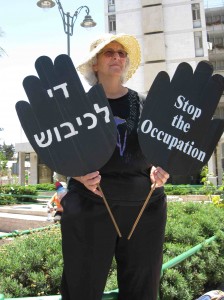
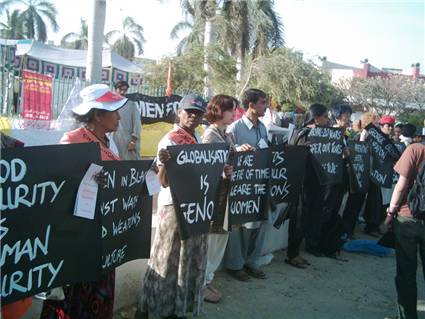
Women in Black is not a typical nonviolent organization; there is no formal structure, there is no recipe for a good protest or vigil, the only requirement is that women wearing black come together to take a stand against violence, usually on a weekly basis. Often these protests are silent, but placards are used to convey succinct messages.

Other forms of strategic nonviolent action used by Women in Black include occupying public (or forbidden governmental) space, marches or processions, vigils, masks, effigies, music, and obviously, symbolic colors. To download Gene Sharp’s list of 198 nonviolent actions YOU could be taking to speak out against violence, go here.

Seattle WiB is very active, as are the Northern California Bay Area Women in Black, Mujeres de Negro en Uruguay, Italy’s Donne in Nero and Zene u Crnom in Belgrade, and many other groups.

Other anti-war groups around the world respect and honor Women in Black and use their actions to exemplify what anti-violence should look like. One such group is Savaş Kaşıtları here in Turkey. But not everyone supports what WiB does, this video shows some of the attacks faced by anti-war, anti-violence, and anti-occupation protesters.

The main lesson to be learned from all of the participants in Women in Black is that if you are persistent, you can make yourself known, make your views heard, and make a difference.


Day 18- V-Day Movement

All over the United States, and throughout much of the world, The Vagina Monologues make people blush, laugh, cry, get angry, and feel hope on an annual basis. This mixed up rush of emotions takes place within a 90 minute performance where amateur (and sometimes professional) actresses bring to life the intimate confessions of other women’s vaginas.

But playwright Eve Ensler’s The Vagina Monologues is no longer simply a theatrical production, the VMons (as many of the women who have participated in them come to call them) have transformed into the V-Day Movement, a movement that will continue “Until the Violence Stops.” 

From their website: “V-Day is a global activist movement to stop violence against women and girls. V-Day is a catalyst that promotes creative events to increase awareness, raise money and revitalize the spirit of existing anti-violence organizations. V-Day generates broader attention for the fight to stop violence against women and girls, including rape, battery, incest, female genital mutilation (FGM) and sex slavery.”
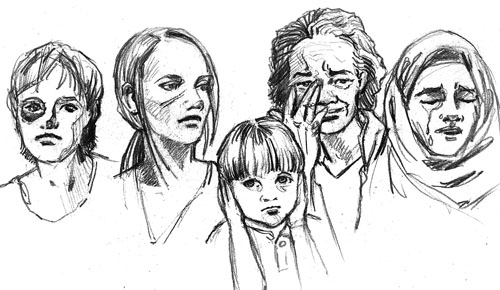
The V-Day Movement is comprised of much more than just The Vagina Monologues: at least five other annual events take place under the V-Day umbrella including two other performances, two film screenings, and a workshop, in addition to teaching events surrounding the Spotlight Campaign.

A Memory, A Monologue, A Rant and A Prayer is a performance piece that encourages men to get involved and perform monologues to help stop violence against women. “The volume features such authors and topics as: Edward Albee on S&M; Maya Angelou on women’s work; Michael Cunningham on self-mutilation; Dave Eggers on a Sudanese abduction; Edwidge Danticat on a border crossing; Carol Gilligan on a daughter witnessing her mother being hit; Susan Miller on raising a son as a single mother; Sharon Olds on a bra; Patricia Bosworth on her own physically abusive relationship; Jane Fonda on reclaiming our Mojo; and many more.”

Any One of Us: Words From Prison is another performance piece. It chronicles the experiences of women in the prison system in the United States, and explores how violence shaped women prisoners’ lives even before they broke any laws. “Together these writings reveal the deep connection between women in prison and the violence that often brings them there.”

Until the Violence Stops is a film screening that gets its name from the mission of V-Day- to continue to combat violence against women and girls until there is no more violence. This film is a documentary of the experiences of women around the world who have worked in the V-Day Movement.

What I Want My Words To Do To You is a film that documents Eve Ensler’s conversations with women inmates. “The film culminates in an emotionally charged prison performance of the women’s writing (the first edition of “Any One of Us”) by acclaimed actors Mary Alice, Glenn Close, Hazelle Goodman, Rosie Perez and Marisa Tomei. The film documents both the wrenching personal journeys undertaken by the inmates to find the words that tell their own stories, and the power of those words to move the outside world.”

Finally, V-Men is a powerpoint presentation and teaching workshop for men only. It is a safe space for men to discuss their own feelings (and sometimes their own actions) surrounding violence against women, and ways they can help end violence.

Some of these events require an admission fee, most don’t, but all of the events, whether they raise money or not, help end the silence surrounding violence against women, and help survivors heal. Ninety percent of proceeds from any events held are to be donated to a local organization that is working to stop violence against women and girls, while the other ten percent is given to the V-Day Foundation to be donated to the women of the Spotlight Campaign. This year V-Day has been focusing on the women and girls of Haiti and the unbelievable amount of physical and sexual violence they face on a regular basis. V-Day also operates a scholarship program and numerous safe houses around the world.

“Since the Campaigns’ inception in 1998, participation has grown exponentially. In 2010, over 5,400 V-Day benefit events took place in 1,800 locations, including all 50 U.S. states and 55 countries. That is 400 more communities than were reached as recently as 2009.

The proceeds generated from these events have also grown. College and community activists raise an annual average of $4 million for local groups such as domestic violence shelters and rape crises centers. Also, ten percent of each event’s proceeds are channeled back to V-Day’s Spotlight Campaign.”

Any and all information regarding the V-Day Movement is available at vday.org and I encourage you, if there is not yet a production of The Vagina Monologues planned for your town, do it yourself. You won’t be disappointed. The V-Day website is also a wonderful resource.


Day 17- Take Back the Night

In the past two days we have seen how ordinary articles of clothing can be catalysts for change, and can help break down barriers by promoting people to ask questions. Any conversation that educates someone as to the gender inequality in a given society or the dangers of gender-based violence is a good one, and Take Back the Night (also known as Reclaim the Night) has been promoting survivors of violence to break the suffocating silence since at least 1975. These events are held all over the world in recognition that women’s rights are still in jeopardy.

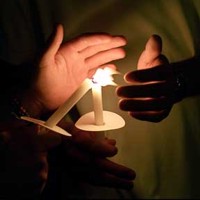
The idea behind this life-changing event is for women (and men) to gather together after dark, share their stories of violence, literally light up the night (with candles), and reclaim their right to be in public at night. You can find the history of the event here. TBTN is also a forum for survivors to realize that they are not alone in facing violence. 

As an undergrad at SDSU I had witnessed (and marched and chanted slogans in) one TBTN event before I had the courage to take the mic at the second event my sophomore year. I, oddly, have no fear whatsoever of public speaking but standing up and telling the microphone and everyone who was on the other end of it the hell I faced as a survivor of child sexual abuse and incest was terrifying. I felt exposed, like a gaping wound. I tried to fight back tears but as my mother says, sometimes tears are the necessary lubricant for painful words.

Once my story had been told and all of these people, these strangers, now knew that I was a survivor, I felt like a huge weight had been lifted off me, I felt liberated. And everyone at the event touched a caring hand to my shoulder, or hugged me through a layer of their own tears, telling me they felt the same way, and thanking me for telling their story.

Take Back the Night changed my life. It was the first time I ever identified myself as a survivor of incest; a word which still makes my stomach flip and my skin crawl. I participated in the subsequent events on campus throughout my college career but never again felt the need to speak up. Of course, I raised my voice as we marched around campus and “Our bodies, our lives, our right to decide!” has served me well in pro-choice rallies too.

The cornerstone of TBTN is local events where ordinary citizens have the courage to speak up and show that they are sick and tired of being fearful. The TBTN Foundation welcomes submissions of local events and will add them to its national calendar. Normally these rallies are held near the end of April, which is Sexual Assault Awareness Month (and Child Abuse Prevention Month). They are often held in conjunction with a number of other activities including Denim Day and the Clothesline Project.

Many groups and organizations participate in Take Back the Night, including universities, women’s groups, LGBTQAI associations, local shelters, religious organizations, and men’s groups who speak out against violence against women. If you are interested in finding a local event to participate in or volunteer for, or if you want to create an event, go here. If you need help dealing with a violence experience, here are some useful resources.